

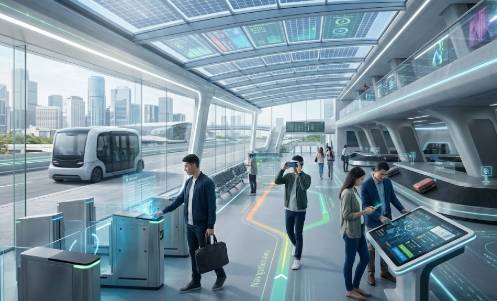
Introduction to Travel Technology
Travel technology is a multifaceted concept that encompasses a wide range of tools and innovations designed to enhance the efficiency and effectiveness of tourism operations, as well as to improve the overall travel experience for consumers. It includes various digital platforms, software solutions, and hardware that facilitate every aspect of travel—from booking flights and accommodations to managing travel itineraries and providing real-time information about destinations.
The significance of travel technology in the tourism industry cannot be overstated. As global connectivity continues to expand, travelers increasingly expect seamless experiences throughout their journeys. This demand has driven tourism businesses to adopt technological innovations that not only streamline operations but also cater to the evolving preferences of modern travelers. For instance, mobile applications enable users to book accommodations, find local attractions, and navigate new cities all from their devices, thereby enhancing convenience.
Moreover, advancements in artificial intelligence, big data, and machine learning are revolutionizing the way travel companies operate. These technologies help organizations analyze traveler behaviors and preferences, allowing for personalized marketing strategies that can significantly enhance customer retention. Additionally, automation in booking systems and customer service can increase operational efficiency, reducing costs and freeing up human resources for more complex tasks.
In light of these developments, it is evident that travel technology is not merely an accessory but a vital component of the contemporary tourism landscape. As we delve deeper into specific innovations shaping this industry, it will become clear how these technologies are not only meeting the needs of travelers but also driving sustainable growth for businesses within the sector.
Artificial Intelligence in Travel
Artificial Intelligence (AI) is becoming increasingly prevalent in the travel industry, offering a range of tools and technologies that enhance customer experience and operational efficiency. One of the most significant applications of AI in travel is the use of chatbots for customer service. These AI-driven solutions are available 24/7, providing instant responses to customer inquiries, facilitating bookings, and resolving issues, which results in improved customer satisfaction and reduced operational costs for travel companies.
Furthermore, personalized travel recommendations are an area where AI shines. By analyzing user data, preferences, and past travel behavior, AI systems can curate tailored travel itineraries and suggest activities that resonate with individual travelers. This personalization not only enhances the traveler’s experience but also increases the likelihood of customer retention and loyalty, as travelers feel valued and understood.
Another vital aspect of AI in the travel sector is predictive analytics for pricing. By leveraging historical data and market trends, AI tools can forecast demand fluctuations and optimize pricing strategies in real-time. This capability allows travel companies to adjust their pricing dynamically, ensuring they remain competitive while maximizing revenue. However, while AI presents numerous benefits, its implementation does come with challenges. Integrating AI technology requires significant investment and a skilled workforce to manage and analyze the data effectively. Additionally, concerns surrounding data privacy and security are paramount, as the collection and analysis of personal information must comply with regulations and respect customer privacy.
In light of these factors, it is vital for travel companies to carefully consider their approach to AI adoption, balancing the potential benefits with the challenges associated with this transformative technology. Through strategic implementation, the travel industry can unlock a range of opportunities that enhance operational efficiencies and improve customer experience.
Mobile Applications and Travel Solutions
In recent years, mobile applications have significantly transformed the travel industry by providing users with an array of tools that streamline the travel planning and management process. One of the most important aspects of this transformation is the emergence of comprehensive booking platforms. These applications enable travelers to compare prices from various airlines and hotels, book accommodations, and arrange transportation all in one place. The availability of real-time data and user-friendly interfaces makes the booking experience seamless, helping travelers make informed decisions about their itineraries.
Itinerary management is another key feature provided by mobile travel apps. Travelers can organize their plans through digital itineraries that consolidate travel details including flights, hotel bookings, and activities. Applications such as TripIt and Kayak enable users to input all travel information in a single platform, which can be easily accessed and updated. This consolidation not only enhances the user experience but also alleviates the stress of managing numerous confirmations and bookings on paper or across multiple sites.
Moreover, travel assistance applications play a crucial role in enhancing travelers’ experiences. These apps often include features such as language translation, currency converters, and local recommendations for restaurants and attractions. Services such as Google Maps and Yelp help users navigate unfamiliar cities and find amenities they may need while traveling. The integration of these services into mobile applications allows travelers to immerse themselves more fully in their experiences without the constant worry of logistics.
Overall, mobile applications have revolutionized the way individuals approach travel, making it more efficient and enjoyable. With continuous advancements in technology, mobile travel solutions are positioning themselves as indispensable tools for modern travelers seeking convenience and enhanced functionality in their journeys.
Virtual and Augmented Reality in Tourism
Over the past few years, virtual and augmented reality (VR and AR) technologies have emerged as transformative forces within the tourism industry. These innovations provide a means to enhance customer engagement by offering immersive travel experiences that were previously unattainable. For example, VR allows potential travelers to embark on virtual tours of destinations, wherein users can explore landmarks, cities, and attractions from the comfort of their homes. This capability not only facilitates informed travel decisions but also helps in enticing travelers to visit once they have experienced the allure of a location through vivid 3D representations.
Moreover, augmented reality is redefining the way tourists interact with their surroundings. By utilizing AR-enhanced mobile applications, tourists can access real-time information about the sites they visit. This technology allows for an enriched experience, where users can point their smartphones at historical sites or museums and receive contextual information, including images, videos, and narratives that deepen their understanding of the location. Such applications can significantly elevate the recreational value of travel, making it both informative and engaging.
Furthermore, the integration of VR and AR technologies is influencing marketing strategies employed by travel companies. As consumers increasingly seek personalized and interactive experiences, travel agencies are using these technologies to tailor their offerings. The ability to showcase the highlights of a destination through immersive techniques can potentially increase conversion rates, as it ignites interest and excitement in consumers. The strategic implementation of AR and VR can therefore not only enhance customer experiences but also drive consumer behavior towards the adoption of new travel options. Such shifts represent a profound evolution in how tourism is marketed and experienced.
Blockchain Technology for Secure Transactions
Blockchain technology is increasingly becoming a pivotal component in the tourism sector, particularly focusing on enhancing secure transactions, identity verification, and loyalty programs. The decentralized nature of blockchain allows for data to be stored across a network of computers, which significantly reduces the risk of data tampering or unauthorized access. This feature is especially critical in the tourism industry, where security concerns can often deter potential customers from engaging in online bookings.
One of the most profound applications of blockchain in tourism is the facilitation of secure transactions. By utilizing cryptocurrencies or tokens, travelers can make payments for a variety of services—hotel bookings, transportation, and attractions—without the need for traditional banking systems. This not only streamlines the payment process but also provides an added layer of protection against fraud, as transactions recorded on the blockchain are immutable and traceable.
Moreover, blockchain enhances customer trust through identity verification. In a world where data breaches are commonplace, ensuring that customer identities are verified in a secure manner is crucial. Blockchain technology can store traveler information securely while ensuring easy access for authorized parties. This digital identity management simplifies processes like check-ins and bookings, leading to a more efficient travel experience.
Additionally, blockchain can revolutionize loyalty programs within the tourism industry. Traditional loyalty programs often face challenges such as lack of transparency and difficulties in redeeming points. With blockchain, companies can create decentralized platforms where travelers earn and trade loyalty points universally, promoting customer retention and satisfaction. By ensuring transparency in how points are accrued and redeemed, customer trust is further solidified.
In summary, the integration of blockchain technology in the tourism industry promises not only to enhance secure transactions but also to foster a higher level of transparency and trust. As the sector continues to evolve, these innovations will likely play a key role in shaping a more reliable travel experience for all.
The Internet of Things (IoT) Enhancing Travel Experiences
The Internet of Things (IoT) is rapidly transforming the landscape of the travel industry by integrating various connected devices that enhance the overall travel experience. In a world where convenience and efficiency are paramount, IoT technology provides solutions that cater not only to travelers’ needs but also to the operational demands of tourism businesses.
One of the most significant innovations is the emergence of smart luggage, equipped with sensors and GPS technology. These advancements allow travelers to monitor their bags in real-time, reducing the stress associated with lost luggage and providing peace of mind during transit. Such features not only enhance traveler convenience but also demonstrate the potential for IoT devices to elevate customer satisfaction.
Additionally, connected accommodations are becoming increasingly prevalent in hotels and resorts. Guests can adjust lighting, temperature, and entertainment options with a simple mobile application, creating a tailored and personalized experience. Smart room technologies can also facilitate seamless check-in and check-out processes, improving operational efficiency for hotel staff and an overall smoother experience for guests.
Wearable devices, such as smartwatches and fitness trackers, are also playing a vital role in modern travel. They can provide real-time information, such as flight updates, navigation assistance, or even alerts regarding local weather conditions. Such connectivity enhances travel safety by ensuring that travelers remain informed throughout their journey.
As the IoT continues to evolve, the integration of these interconnected devices is likely to expand further, fostering innovation within the tourism sector. With a focus on safety, convenience, and enhanced customer experiences, the potential applications of IoT technologies in travel are vast and promising. The combination of these emerging trends is expected to significantly enrich travelers’ experiences while simultaneously streamlining industry operations.
Sustainable Travel Technologies
In recent years, the tourism industry has embraced sustainable travel technologies, which play a pivotal role in promoting environmentally responsible travel choices. Innovations in this sector aim to minimize the ecological footprint associated with tourism, thereby supporting a more sustainable future for the industry.
One notable innovation involves the development of eco-friendly transport options, such as electric and hybrid vehicles. These modes of transportation significantly reduce greenhouse gas emissions compared to traditional gasoline-powered cars. Additionally, the adoption of electric buses and trains in urban and rural settings provides travelers with sustainable alternatives. The rise of bike-sharing programs in tourist destinations further exemplifies how sustainable travel technologies are being integrated into urban infrastructures, encouraging visitors to explore locations in an environmentally-conscious manner.
Carbon offsetting applications have emerged as another essential tool in promoting sustainable tourism. These platforms allow travelers to calculate and offset the carbon emissions generated by their journeys, often by investing in renewable energy projects or reforestation initiatives. By engaging with these applications, tourists can contribute to mitigating climate change while enhancing their travel experience. Additionally, many airlines and hotel chains have begun to incorporate carbon offsetting solutions into their booking systems, simplifying the process for consumers and promoting broader adoption.
Furthermore, technologies aimed at reducing the environmental impact of travel are also gaining traction. For instance, innovative software applications are being designed to assist travelers in making informed decisions about their trips, such as selecting eco-friendly accommodations or activities. Many of these applications utilize real-time data to highlight the carbon footprints of various travel options, empowering users to make choices that align with their commitment to sustainability. This comprehensive approach is vital for fostering a culture of conscious travel, where both the traveler and the tourism industry work together towards a greener future.
Future Trends in Travel Technology
The tourism industry is situated at the crossroads of innovation and consumer expectations, shaping its future through the integration of advanced technologies. One prominent trend is the increasing utilization of artificial intelligence (AI). AI algorithms will enhance customer experiences by providing personalized recommendations based on individual preferences and behavioral patterns. Tourists will benefit from AI-driven chatbots that can assist with bookings, answer queries, and offer real-time support during their travels, thus streamlining the overall user experience.
Moreover, the rise of autonomous vehicles is set to revolutionize transportation within the tourism sector. Self-driving cars and buses may offer enhanced safety features, reduced rental costs, and improved logistical efficiencies. These autonomous systems can facilitate personalized travel routes, catering to the unique interests of travelers, while minimizing environmental footprints. Additionally, integrating autonomous vehicles with travel apps can create a seamless transportation ecosystem, reducing the hassle of navigating foreign cities.
Emerging technologies, such as virtual and augmented reality, are also likely to redefine how tourists engage with destinations. Immersive experiences can be created that allow prospective travelers to preview attractions before visiting, leading to more informed travel decisions. For instance, using AR technology, travelers could point their devices at historical sites to view interactive information and enhanced visuals, encouraging deeper engagement.
Finally, the growing focus on sustainability is expected to propel innovation in travel technology. The development of eco-friendly travel solutions, including green accommodations and energy-efficient transport options, will appeal to environmentally conscious consumers. Implementing smart technologies that optimize energy usage in hospitality services will not only meet burgeoning demand but also contribute to global sustainability objectives.
These anticipated advancements indicate a bright future for the tourism industry as technology continues to evolve. The convergence of AI, automation, and immersive experiences promises to redefine travel dynamics, enhancing convenience, personalization, and sustainability in the years to come.
Conclusion: Embracing Technology for the Future of Travel
As we have explored throughout this blog post, technological innovations are increasingly becoming central to the transformation of the tourism industry. From artificial intelligence aiding in personalized travel planning to blockchain streamlining payment processes, technology enhances the efficiency, safety, and enjoyment of travel experiences. These advancements not only facilitate smarter travel solutions but also empower travelers with more control over their itineraries and interactions. The integration of virtual reality in tour experiences, the convenience of mobile applications for booking and customer service, and the impact of data analytics in understanding customer preferences are prime examples of how digital tools are reshaping the landscape of travel.
For stakeholders in the tourism sector, embracing these innovations is not merely an option; it is an imperative for survival and competitiveness. As consumer expectations evolve in this digital age, adapting to modern technological trends can lead to enhanced customer satisfaction and loyalty. Travel providers, whether they are airlines, hotels, or tour operators, must strive to incorporate new technologies into their operations to remain relevant in a fast-evolving market. Furthermore, collaboration between technology developers and the tourism industry can yield bespoke solutions catering to the unique needs of travelers.
In summary, the importance of adopting technology in the tourism industry cannot be overstated. Those who embrace these innovations will find themselves better positioned to meet the demands of the modern traveler, ultimately leading to a superior travel experience. As technological advancements continue to emerge, it is essential for the tourism sector to stay informed and agile, ensuring that they not only keep pace but also lead the charge towards a brighter, more dynamic future in travel.