

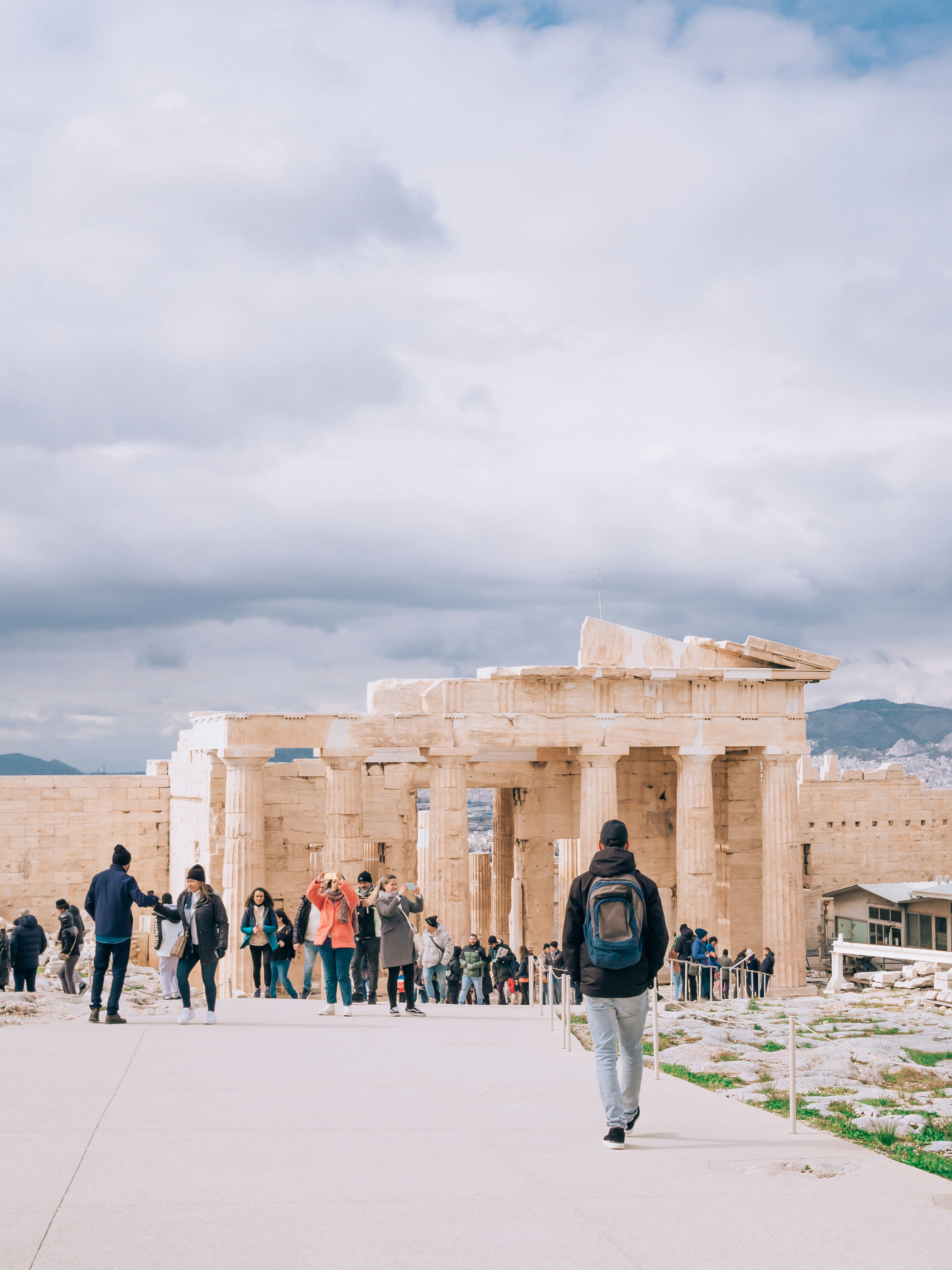
Introduction to Ancient Wonders
The concept of ancient wonders encompasses a collection of remarkable constructions that have captivated the imagination of historians, archaeologists, and travelers throughout the ages. These sites are often characterized by their extraordinary architectural achievements, cultural significance, and historical context. Ancient wonders serve as a testament to human ingenuity and creativity, showcasing the technological and artistic capabilities of their respective civilizations.
To qualify as a wonder, a site typically must display features that are remarkable for their time, reflect advanced craftsmanship, and hold considerable historical importance. The most renowned of these constructions were originally listed in the “Seven Wonders of the Ancient World,” a compilation that includes iconic sites such as the Great Pyramid of Giza and the Hanging Gardens of Babylon. Each of these wonders demonstrates not only the architectural expertise of their builders but also the cultural values and societal structures of their time.
When historians and archaeologists assess sites to identify ancient wonders, they consider various criteria. Factors such as the scale of construction, the artistry involved, the materials used, and the impact on subsequent architectural practices are all taken into account. Additionally, the preservation of these sites over time and their influence on modern culture can further establish their status as wonders. Through this lens, many sites beyond the original seven have been recognized for their equal grandeur and significance, expanding the conversation around what constitutes a wonder.
The fascination with ancient wonders continues as they serve as important cultural and historical symbols, offering insights into the civilizations that created them. These structures remind us of the shared human experience and the lasting legacy of our ancestors’ achievements, inviting exploration and appreciation across generations.
The Seven Wonders of the Ancient World
The Seven Wonders of the Ancient World represent a remarkable legacy of human achievement in architecture and engineering. Each of these iconic historical sites was celebrated for its grandeur and significance, showcasing the creativity and skill of ancient civilizations.
First among these wonders is the Great Pyramid of Giza, the only surviving wonder of the set. Constructed around 2580–2560 BC, it served as a tomb for the Pharaoh Khufu and is an outstanding feat of engineering, originally standing at 146.6 meters tall. Its precise alignment with the cardinal points demonstrates the advanced understanding of mathematics and astronomy possessed by the ancient Egyptians.
The Hanging Gardens of Babylon are renowned for their lush terraces and beautiful gardens, though their existence remains a matter of debate among historians. Descriptions from ancient texts suggest an elaborate irrigation system, which would have allowed exotic plants to thrive in the arid landscape of Babylon, enhancing the region’s aesthetic appeal.
Another marvel is the Statue of Zeus at Olympia, a massive statue dedicated to the Greek god Zeus, crafted by the renowned sculptor Phidias around 435 BC. This statue, made of ivory and gold, stood approximately 12 meters tall and was housed in the Temple of Zeus, underscoring the religious significance of the site.
The Temple of Artemis at Ephesus was once celebrated as one of the largest temples of the ancient world, dedicated to the goddess Artemis. Rebuilt multiple times due to destruction, its grand scale and artistic embellishments attracted thousands of pilgrims and shoppers.
The Mausoleum at Halicarnassus was a tomb built for Mausolus, a Persian satrap, and is where the term ‘mausoleum’ originates. Its impressive height and combination of Greek, Egyptian, and Lycian architectural styles emphasized the fusion of cultures during that era.
Then there is the Colossus of Rhodes, a gigantic bronze statue that stood guard at the entrance of the harbor, symbolizing victory after war. Erected in 280 BC, it was one of the tallest sculptures of the ancient world, reaching approximately 33 meters high.
Lastly, the Lighthouse of Alexandria, or Pharos of Alexandria, served as both a beacon for sailors and a symbol of the city. Constructed in the 3rd century BC on the small island of Pharos, it showcased cutting-edge engineering techniques of the time and stood around 100 meters high, guiding seafarers safely to port.
Significant Ancient Sites Beyond the Seven Wonders
While the Seven Wonders of the Ancient World often dominate discussions about historical architecture and civilization, the globe is replete with numerous other sites that offer profound insights into ancient cultures. One prominent example is Stonehenge, located in Wiltshire, England. This prehistoric monument, consisting of a circular layout of massive stone blocks, has intrigued archaeologists and historians alike. Its exact purpose remains shrouded in mystery, yet it is widely believed to have served as a ceremonial site or an astronomical observatory, reflecting the advanced understanding of astronomy possessed by the ancient peoples.
Another remarkable site is Machu Picchu, nestled high in the Andes Mountains of Peru. Constructed by the Inca civilization in the 15th century, this breathtaking citadel showcases ingenious architectural techniques that harmonize with the natural landscape. The site is not only a demonstration of engineering proficiency but also a sacred space with numerous temples and agricultural terraces, embodying the spiritual and agricultural prowess of the Incas.
Petra, in present-day Jordan, also merits attention. Renowned for its stunning rock-cut architecture and water conduit system, Petra served as a significant trading hub and cultural meeting point in ancient times. Its iconic structures, such as the Treasury and Monastery, are testament to the Nabataean civilization’s skills in carving elaborate facades into rose-red cliffs. This architectural marvel highlights the intersection of commerce and art in the ancient world.
Furthermore, Angkor Wat, in Cambodia, stands as one of the largest religious monuments globally. Originally constructed as a Hindu temple dedicated to the god Vishnu, it later transitioned into a Buddhist site. Angkor Wat is celebrated for its stunning bas-reliefs and intricate sculptures, revealing the deep spiritual and cosmological beliefs of its creators while illustrating the grandeur of the Khmer Empire.
The Role of Archaeology in Discovering Ancient Wonders
Archaeology plays a pivotal role in the discovery and preservation of ancient wonders that shape our understanding of human history and cultural heritage. It encompasses a variety of techniques such as excavation, surveying, and remote sensing, all aimed at uncovering the remnants of past civilizations. Through systematic methodology, archaeologists are able to piece together historical narratives from artifacts, structures, and other cultural material, thereby revealing the complexities of ancient societies.
One of the most notable archaeological techniques, excavation, involves the careful removal of soil layers to uncover artifacts and features that have remained buried for centuries. This method has led to significant discoveries—from the pyramids of Egypt to the lost cities of the Maya—illuminating the lives, beliefs, and technologies of ancient peoples. Moreover, aerial and satellite imagery has revolutionized our approach to archaeology, enabling researchers to locate previously hidden sites and understand the larger geographical contexts in which these ancient wonders were constructed.
Beyond merely discovering these sites, archaeology also emphasizes the importance of preservation. Ongoing efforts are crucial to safeguard these cultural treasures against threats such as urbanization, environmental degradation, and tourism. Organizations worldwide collaborate to develop best practices in heritage management, ensuring that these invaluable sites are not only studied but also protected for future generations. By employing innovative conservation techniques and fostering community engagement, archaeologists are enhancing the sustainability of ancient wonders.
In summary, archaeology is integral to revealing the complexities of history and ensuring that the ancient wonders of the world can be appreciated and understood. The dedication to both discovery and preservation highlights the value placed on these cultural sites, underscoring their importance in our present and future.
Cultural Significance of Ancient Wonders
Ancient wonders have long captivated the human imagination, serving not only as architectural marvels but also as profound symbols of cultural heritage and identity. These structures often reflect the values, beliefs, and artistic ambitions of the civilizations that created them, establishing a connection to our shared human history.
From the pyramids of Giza to the Great Wall of China, each ancient wonder carries distinct cultural narratives that have inspired countless works of art, literature, and religion. For instance, the Parthenon in Greece epitomizes the ideals of beauty and democracy, influencing generations of artists and thinkers across the globe. Similarly, the Hanging Gardens of Babylon, though their existence is debated, resonate as a symbol of human ingenuity and the ethereal beauty of nature. These stories not only enrich cultural dialogues but also contribute to a greater understanding of humanity’s architectural and artistic legacy.
Moreover, the cultural resonance of these ancient wonders extends into modern society, impacting national identity and heritage tourism. Countries often leverage their ancient wonders to foster a sense of pride among citizens and promote cultural awareness on a global scale. Heritage tourism thrives on the allure of these historic sites, drawing millions of visitors each year who seek to immerse themselves in the grandeur of past civilizations. Such interactions not only reinforce cultural ties but also stimulate local economies through tourism-related activities.
In today’s rapidly changing world, these ancient sites serve as reminders of our shared past and the continual influence of culture in shaping human experiences. They inspire new generations to appreciate the artistry and resilience embodied in these wonders while fostering a global dialogue centered on preservation and shared heritage.
Ancient Wonders and Modern Technology
In recent years, modern technology has profoundly transformed the study and preservation of ancient wonders across the globe. Innovations such as virtual reality, drones, and 3D scanning have become indispensable tools for archaeologists and conservationists alike, enabling them to explore and protect historical sites in ways previously thought impossible.
Virtual reality (VR) has emerged as a powerful medium for experiencing ancient sites. By creating immersive environments, VR allows users to engage with these wonders without the need to travel. For instance, significant archaeological sites like Pompeii can be accessed through VR platforms, granting individuals the ability to explore the space as it would have existed in ancient times. This not only enriches education but also raises awareness about the importance of preservation efforts.
Drones are another technological advancement aiding the preservation and study of ancient wonders. Equipped with high-resolution cameras, drones can survey vast areas quickly and efficiently, capturing detailed aerial imagery. This has proven particularly useful for mapping archaeological sites that may be difficult to access on foot. One notable example includes the ancient city of Teotihuacan in Mexico, where drone technology enabled researchers to uncover previously hidden structures and better understand the urban layout of this ancient civilization.
Meanwhile, 3D scanning has revolutionized documentation practices in archaeology. Techniques such as LiDAR (Light Detection and Ranging) allow for accurate digital representations of ancient sites. These scans can be used to create virtual models that facilitate research and enable site management. The digital reconstruction of the Great Wall of China through 3D scanning exemplifies how this technology can preserve architectural details that may otherwise degrade over time.
By leveraging these technologies, researchers can enhance their understanding of ancient cultures while concurrently ensuring that these wonders endure for future generations. The intersection of ancient wonders and modern technology paves the way for innovative methodologies in archaeology, preserving our global heritage more effectively than ever before.
Traveling to Ancient Wonders: Tips and Insights
Visiting ancient wonders is an incredible way to connect with history and appreciate the architectural ingenuity of past civilizations. Before embarking on this journey, it is essential to plan your trip thoroughly to ensure an enriching experience. Here are some practical tips and insights to enhance your travels.
Begin by considering the logistics of your visit. Check the best times to visit your chosen destinations, as some ancient sites can be heavily crowded during peak tourist seasons. Obtaining tickets in advance can save you time and might also provide access to exclusive tours. Incorporating a mix of popular destinations and lesser-known sites can also deepen your understanding while avoiding the masses. For example, alongside the famous sites like the Pyramids of Giza or Machu Picchu, consider visiting the lesser-known Göbekli Tepe in Turkey or the ancient city of Petra in Jordan.
When planning your itinerary, allocate sufficient time for each site. Rushing through these locations not only diminishes their impact but also could cause you to miss critical details that contribute to their historical significance. Connecting with local guides can offer unique insights into the cultural context of the ruins, enriching your understanding of their importance.
Cultural considerations are crucial when visiting ancient wonders. Respect local traditions and practices; dress modestly in more conservative locations, and follow any specific guidelines provided by the site management. Engaging with local communities can provide you with a more authentic experience as well as support for responsible tourism.
Lastly, practice responsible tourism by minimizing your environmental impact. This includes sticking to marked trails, avoiding touching ancient structures whenever possible, and being mindful of your waste. Respecting these practices ensures that these wonders can be preserved for future generations to appreciate.
The Future of Ancient Wonders
As we venture deeper into the 21st century, the preservation of ancient wonders faces numerous challenges that threaten their integrity and longevity. Among these challenges, climate change stands out as a critical concern. Rising temperatures, erratic weather patterns, and increased natural disasters have been linked to human activity, placing historic structures at risk of degradation. For instance, the heat of the sun, coupled with heavy rainfall, can erode ancient stone and weaken the foundations upon which these wonders stand.
Alongside environmental concerns, urban development poses a significant threat to ancient sites. As populations grow and cities expand, the encroachment upon areas housing these historical treasures is inevitable. Heightened construction activities can lead to pollution and increased foot traffic, further exacerbating the degradation of these fragile structures. The challenge lies not only in protecting these sites but also in balancing the needs of modern society with the imperative to safeguard our cultural heritage.
Tourism, while providing critical funding for the maintenance and preservation of ancient wonders, also brings its own set of issues. Overcrowding can lead to undermined infrastructure and an acceleration of wear and tear. Managing tourist access and implementing strategies to minimize environmental impact is paramount for the sustainability of these sites. Stakeholders are increasingly recognizing the need for regulations and guidelines to strike a balance between accessibility and conservation.
In light of these challenges, various global initiatives have emerged aimed at protecting ancient wonders for future generations. Sustainable tourism practices, adaptive reuse of materials, and the promotion of environmental awareness among visitors and locals alike are vital components of these efforts. By prioritizing sustainability and the preservation of ancient sites through effective management strategies, we can ensure that these cultural legacies endure, allowing future generations to appreciate their historical significance.
Conclusion: The Legacy of Ancient Wonders
The ancient wonders of the world hold a significant place in the narrative of human civilization. They serve not only as architectural marvels but also as symbols of the aspirations and cultural priorities of the societies that crafted them. These magnificent sites, whether it be the Pyramids of Giza or the Hanging Gardens of Babylon, offer invaluable insights into the technological, artistic, and social capabilities of our ancestors. Their enduring presence invites contemporary society to reflect on the ingenuity of past civilizations and the collective human experience.
One cannot overlook how these ancient wonders foster a sense of global heritage and identity. They are testament to the advanced skills and resources that were available at the time, illustrating a deep connection with the environment and the importance of innovation in overcoming challenges. As we bask in the grandeur of these structures, we are reminded of humanity’s shared journey and the persistent quest for progress, knowledge, and beauty.
Moreover, the lessons gleaned from these historical sites are relevant even today. They prompt discussions about sustainability, preservation, and cultural appreciation. The challenges faced in maintaining the integrity of these ancient wonders mirror the dilemmas that our current societies confront. By embodying resilience and craftsmanship, these structures encourage modern individuals to pursue excellence while fostering a respect for history. The legacy of ancient wonders thus extends beyond their physical forms; they inspire generations to bridge the past with future possibilities.
In conclusion, the ancient wonders of the world are more than mere relics; they are vital components of our shared human legacy. They instruct us on the importance of cultural continuity, innovation, and the value of preserving historical wisdom. Reflecting on these sites helps us understand our place within the long continuum of human existence and reminds us of the achievements that can be made when creativity and determination converge.