

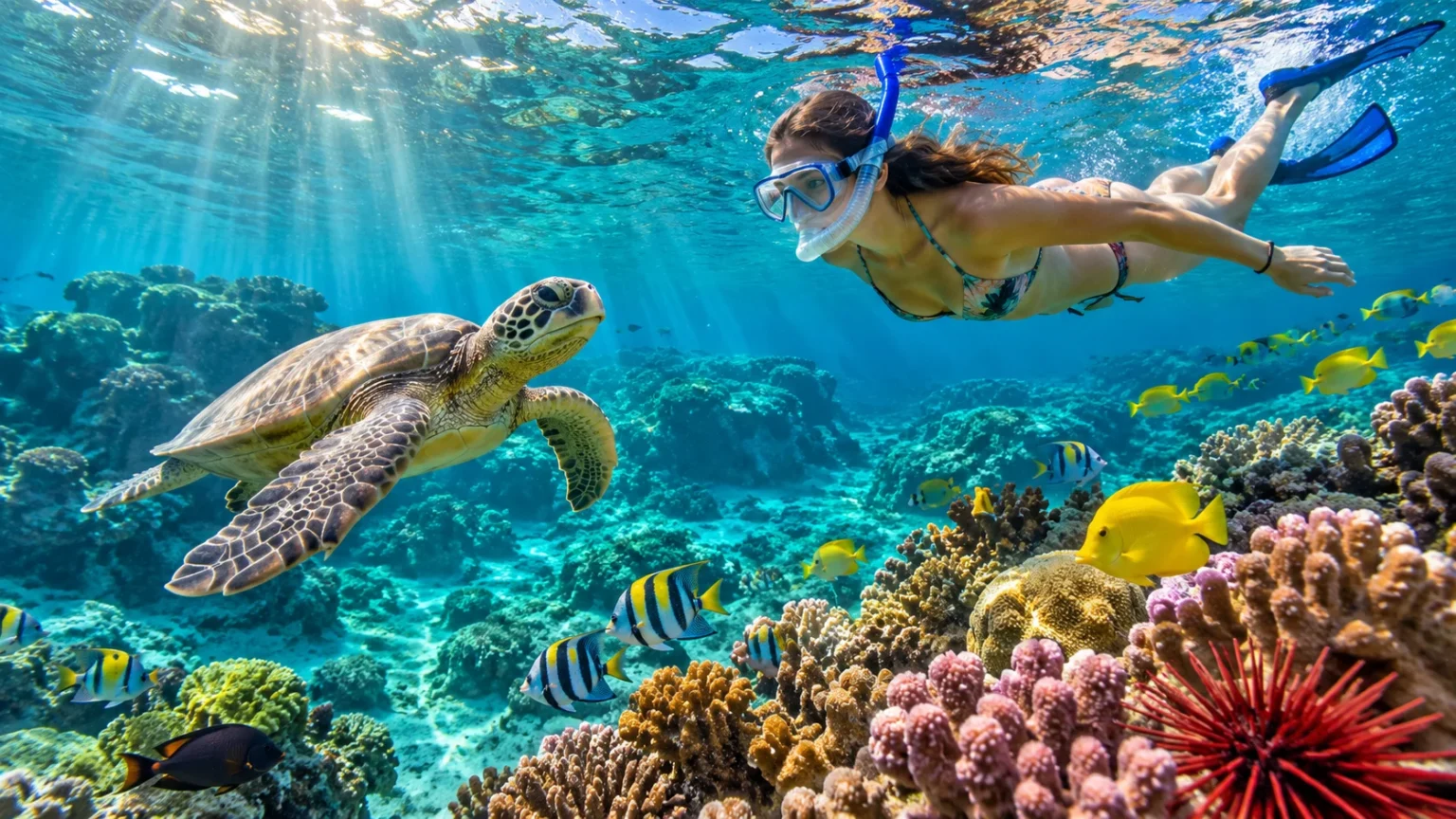
Hawaii is home to some of the most beautiful snorkeling destinations in the Pacific Ocean. Its tropical waters, volcanic coastlines, coral reefs, and colorful marine life attract visitors from around the world. From sheltered bays to offshore reefs, the Hawaiian Islands offer remarkable underwater scenery. However, finding the right snorkeling location depends on ocean conditions, experience, and the island you plan to visit.
The best places to snorkel in Hawaii include Hanauma Bay on Oahu, Molokini Crater on Maui, Kealakekua Bay on the Big Island, and Tunnels Beach on Kauai. These destinations are known for their underwater landscapes and opportunities to observe tropical fish, coral formations, and Hawaiian green sea turtles. Each location offers a different experience, from accessible beaches to remote boat excursions.
Whether you are planning your first snorkeling experience or looking for new underwater destinations, this guide explores 12 remarkable locations across Hawaii. You will discover what makes each spot special, which islands offer different experiences, and how seasonal conditions affect snorkeling opportunities. The guide also includes essential safety information and responsible marine wildlife viewing tips.
Why Hawaii Is One of the Best Snorkeling Destinations
Hawaii’s volcanic geography creates underwater environments that are different from many tropical destinations. Rocky coastlines, lava formations, coral reefs, and sheltered bays provide habitats for numerous marine species. Some fish found around Hawaii occur nowhere else in the world. These natural features make the islands especially interesting for underwater observation.
The islands also offer a wide variety of snorkeling settings. Visitors can find sandy beaches with nearby reef areas, protected marine conservation districts, and offshore destinations reached by boat. However, ocean conditions vary significantly between locations. A beach that appears calm during one visit may be unsafe on another day.
Snorkeling in Hawaii requires more than choosing a beautiful beach. Strong currents, unexpected waves, and changing weather can create serious hazards, even in popular locations. Experienced ocean swimmers should check current conditions and prioritize lifeguarded beaches. First-time visitors can also enjoy Hawaii’s marine life through guided educational experiences and shore-based observation.
Hanauma Bay, Oahu: A Famous Marine Nature Preserve
Hanauma Bay is one of Hawaii’s best-known snorkeling destinations. Located on southeastern Oahu, the bay sits inside a volcanic formation and contains an important marine ecosystem. Its surrounding landscape creates an impressive coastal setting. Visitors may observe colorful reef fish, including butterflyfish, parrotfish, and Hawaii’s distinctive reef species.
The bay is managed as a nature preserve, with visitor education and conservation rules designed to protect its marine environment. First-time visitors receive an orientation about responsible behavior and reef protection. Its organized facilities make it a popular destination for people learning about marine ecosystems. Nevertheless, sheltered geography does not eliminate ocean hazards.
Visiting Hanauma Bay requires advance planning because nonresident reservations are generally required. The preserve is normally open Wednesday through Sunday and closed Monday and Tuesday. Visitor numbers and entry periods are controlled to support conservation. Always confirm official access requirements before traveling, since schedules and policies can change.
Molokini Crater, Maui: Spectacular Offshore Reefs
Molokini Crater is a crescent-shaped volcanic islet located offshore from Maui. Its protected marine environment is known for clear water, underwater rock formations, and diverse reef life. The unusual volcanic setting makes it one of Hawaii’s most recognizable snorkeling locations. Visitors may see schools of tropical fish moving around coral-covered formations.
Unlike many beach snorkeling destinations, Molokini is reached by boat. Organized excursions typically depart from Maui and operate according to weather and ocean conditions. The surrounding waters can offer excellent visibility during favorable conditions. However, offshore exposure means that ocean movement and changing weather remain important safety considerations.
Molokini is especially appealing to visitors interested in marine ecology and volcanic underwater landscapes. Its protected status helps conserve important habitat. Responsible tour operators explain reef protection rules and wildlife viewing practices. Choosing an appropriately licensed excursion with safety procedures is important when considering an offshore activity.
Kapalua Bay, Maui: Beautiful Coastal Snorkeling
Kapalua Bay is located along Maui’s northwestern coastline and is known for its curved sandy beach. Rocky formations near the sides of the bay provide habitat for reef fish and other marine organisms. Its scenic surroundings make it a favorite destination for beach visitors. The combination of sand and reef creates an attractive coastal environment.
During favorable conditions, the bay can have relatively gentle water compared with more exposed locations. Visitors may observe tropical fish around the rocky sections without traveling far offshore. However, seasonal swells and changing currents can affect the area. A calm appearance from the beach should never replace checking official ocean safety information.
Kapalua Bay is also convenient for travelers who want to combine beach time with coastal sightseeing. The surrounding area offers attractive views and walking opportunities. It is worth visiting even when snorkeling conditions are unsuitable. Visitors should avoid standing on coral and remain mindful of other people using the beach.
Honolua Bay, Maui: Coral Gardens and Marine Life
Honolua Bay sits along the northwestern coast of Maui and is recognized for its marine conservation value. The bay contains rocky underwater terrain, coral formations, and a variety of tropical fish. Its natural surroundings give it a less developed appearance than many resort beaches. This makes it particularly appealing to people interested in coastal ecosystems.
During calmer periods, especially in summer, water clarity can allow visitors to observe the reef environment. However, Honolua Bay is also known for powerful surf during certain seasons. Winter swells can make ocean activities extremely dangerous. Snorkeling should be avoided whenever warnings, strong currents, or significant waves are present.
The surrounding natural landscape is another reason to appreciate Honolua Bay. Visitors can enjoy coastal scenery while learning about the importance of marine conservation. Its ecological value depends on people respecting the environment. Avoid disturbing wildlife, damaging coral, or leaving any waste behind.
Maluaka Beach, Maui: A Place to See Sea Turtles
Maluaka Beach is located in the Makena area of South Maui. It is often associated with the broader area sometimes called Turtle Town because Hawaiian green sea turtles are frequently observed around nearby reef habitats. Its sandy shoreline and surrounding coastal scenery make it a popular destination. Turtle sightings, however, are never guaranteed.
Hawaiian green sea turtles, known locally as honu, feed and rest in coastal habitats throughout the islands. They may be seen moving near reefs or occasionally resting along the shore. Watching these animals from a respectful distance can be memorable. Visitors should never chase, touch, feed, or block the movement of a turtle.
Maluaka Beach can experience changing water conditions, including shorebreak and currents. Its suitability depends on the day’s conditions rather than its reputation. Visitors who prefer to stay on land can still enjoy the scenery. Responsible wildlife observation remains valuable whether or not entering the water is appropriate.
Kealakekua Bay, Big Island: Remarkable Water Clarity
Kealakekua Bay is located on the western coast of Hawaii Island, commonly called the Big Island. The bay is a Marine Life Conservation District known for its clear water, coral habitats, and diverse reef fish. Its underwater environment attracts considerable interest from nature enthusiasts. The surrounding coastline also has historical and cultural significance.
The waters near the Captain Cook Monument are particularly well known for snorkeling. However, accessing this area is less straightforward than visiting an ordinary beach. Visitors commonly use authorized boat excursions, while other access methods involve additional restrictions or physical challenges. Understanding access rules is essential before planning a visit.
Kealakekua Bay offers opportunities to appreciate Hawaii’s marine biodiversity. Coral formations provide habitat for different fish species, and the underwater landscape reflects the island’s volcanic origins. The bay also supports protected wildlife, which must not be approached or disturbed. Conservation rules help preserve this environment for future generations.
Honaunau Bay, Big Island: The Famous Two Step Area
Honaunau Bay, often called Two Step, is a well-known coastal destination south of Kailua-Kona. Its name comes from a distinctive natural lava-rock formation near the shoreline. The area is recognized for clear water during favorable conditions and a variety of reef fish. The surrounding volcanic landscape adds to its visual appeal.
Unlike sandy beaches, Two Step features a rocky shoreline that can make water access challenging. Slippery surfaces, waves, and nearby deeper water create hazards, particularly for inexperienced ocean swimmers. The area is not a suitable choice simply because its underwater scenery is attractive. Visitors should prioritize safety and avoid entering during uncertain conditions.
The bay is close to Puuhonua o Honaunau National Historical Park, an important Hawaiian cultural destination. Combining coastal sightseeing with learning about the area’s history can make the visit rewarding. Visitors should respect cultural sites and environmental restrictions. Marine life should be observed without touching or disturbing the surrounding habitat.
Kahalu’u Beach Park, Big Island: Accessible Reef Viewing
Kahalu’u Beach Park is located near Kailua-Kona and is known for its relatively accessible coastal setting. Its shallow reef environment provides habitat for colorful fish and Hawaiian green sea turtles. The beach has educational and conservation significance. It is frequently recommended for visitors interested in learning about reef ecosystems.
The site has visitor facilities and generally offers lifeguard supervision during posted operating periods. This makes it a practical location for learning about ocean safety and responsible reef observation. However, shallow water can contain rocks, coral, and changing wave conditions. Lifeguard guidance should always take priority over general travel recommendations.
Kahalu’u is also associated with local reef education and conservation efforts. Visitors can learn why coral is sensitive to physical contact and environmental stress. Observing fish from a distance helps protect their natural behavior. Following posted rules supports the long-term health of this important coastal habitat.
Shark’s Cove, Oahu: Underwater Lava Formations
Shark’s Cove is located on the North Shore of Oahu near Pupukea. Despite its name, the cove is primarily famous for its rocky underwater landscape rather than shark encounters. Lava formations create interesting habitats for small reef fish and other marine life. Its distinctive geology makes it popular with underwater nature enthusiasts.
During calm summer conditions, the cove may provide opportunities to observe its rocky marine environment. Winter is very different because the North Shore receives powerful ocean swells. Large waves can make the area extremely dangerous. Seasonal conditions are therefore a major consideration when planning a visit.
Shark’s Cove is part of a protected marine conservation area. Visitors should avoid touching coral, disturbing animals, or removing natural materials. Its rocky surfaces can also be slippery and sharp. Even when swimming is unsuitable, the surrounding coastal scenery makes the area interesting to explore safely from land.
Tunnels Beach, Kauai: Beautiful Reefs and Coastal Scenery
Tunnels Beach, also known as Makua Beach, lies along Kauai’s scenic North Shore. It is famous for its dramatic mountain backdrop, sandy coastline, and extensive reef environment. The underwater landscape includes natural formations that support different reef species. These features make it one of Kauai’s best-known snorkeling destinations.
Summer often brings calmer conditions to Kauai’s northern coastline, although conditions can still change unexpectedly. During winter, large ocean swells frequently make the area unsuitable for snorkeling. Currents and waves can become dangerous even when the beach initially appears inviting. Visitors should never assume that seasonal recommendations guarantee safety.
Tunnels Beach also offers beautiful views of Kauai’s lush mountains and coastline. Its appeal extends beyond underwater recreation. Visitors can appreciate the landscape while respecting beach access and conservation rules. Planning around current safety conditions helps protect both travelers and the fragile marine environment.
Poipu Beach, Kauai: A Popular South Shore Destination
Poipu Beach is located on Kauai’s southern coastline and is one of the island’s popular beach destinations. Its sandy shoreline, coastal scenery, and nearby reef habitats attract visitors throughout the year. Tropical fish may be observed when ocean conditions permit. Hawaiian green sea turtles and monk seals are also occasionally seen resting along the shore.
Some parts of Poipu Beach are more sheltered than others, but conditions vary across the area. Waves, currents, and underwater obstacles can create hazards. Visitors should use designated swimming areas when appropriate and follow lifeguard instructions. The presence of a popular beach does not automatically make every section suitable for snorkeling.
Poipu is especially rewarding for visitors who enjoy coastal wildlife observation. Protected animals sometimes rest on the sand, and volunteers may establish boundaries to prevent disturbance. These boundaries should always be respected. Watching wildlife quietly from a distance provides a memorable experience without interfering with the animals.
Anini Beach, Kauai: A Long Reef-Protected Coastline
Anini Beach is another well-known destination on Kauai’s North Shore. Its coastline is protected in places by an extensive offshore reef, creating areas that may appear calmer than exposed beaches. The surrounding scenery includes tropical vegetation and a long sandy shoreline. Its peaceful appearance attracts visitors seeking a relaxed coastal setting.
The reef provides habitat for fish and other marine organisms. However, sheltered water can still contain currents, particularly near reef openings and channels. Water depth and visibility may also vary. Visitors should never mistake the presence of a barrier reef for a guarantee of safe swimming conditions.
Anini Beach is a pleasant destination for coastal walks, photography, and enjoying Hawaii’s natural beauty. Its underwater environment deserves careful protection. Avoid walking on coral or disturbing marine animals. When ocean conditions are unsuitable, exploring the coastline from land remains an enjoyable alternative.
Which Hawaiian Island Has the Best Snorkeling?
Maui is often considered an excellent choice because it offers a variety of marine environments. Molokini Crater provides an offshore conservation setting, while Kapalua and Honolua Bays offer contrasting coastal scenery. Maluaka Beach is also associated with sea turtle habitat. Together, these locations make Maui appealing to visitors interested in marine life.
Oahu is especially popular because it combines famous destinations with established visitor infrastructure. Hanauma Bay offers organized conservation education, while Shark’s Cove showcases the island’s volcanic underwater geography. The Big Island is known for Kealakekua Bay, Honaunau Bay, and Kahalu’u Beach Park. These areas are recognized for their distinctive reef environments.
Kauai offers a different atmosphere, with lush landscapes and scenic beaches such as Tunnels, Poipu, and Anini. However, seasonal surf can significantly limit snorkeling opportunities, particularly on the North Shore. No island has consistently perfect conditions. The best choice depends on travel timing, safety, accessibility, and personal interests.
Best Time of Year to Snorkel in Hawaii
Hawaii’s tropical climate supports coastal tourism throughout the year, but ocean conditions change with the seasons. During summer, many northern coastlines experience calmer water than they do in winter. This can improve opportunities for observing marine environments. However, wind, currents, and local weather remain important factors.
Winter brings powerful swells to many north-facing beaches, especially on Oahu and Kauai. These waves can make popular snorkeling locations unsafe. Some southern or western locations may offer different conditions, but no coast is automatically safe. Travelers should plan alternatives rather than assuming a particular beach will always be suitable.
Morning hours often provide favorable visibility and lighter winds at some locations. However, this is not a substitute for checking current conditions. Hawaii’s official ocean safety guidance recommends consulting lifeguards and avoiding dangerous surf or currents. A flexible itinerary is more useful than committing to snorkeling regardless of weather.
Essential Snorkeling Safety Tips for Hawaii
Ocean safety should be the first priority when planning snorkeling activities. Hawaii’s waters can contain strong currents, unexpected waves, and difficult shore conditions. Even experienced swimmers can face serious risks. Official guidance recommends snorkeling with a companion, choosing lifeguarded locations, and checking conditions before entering the ocean.
Properly fitted equipment is also important. Masks, snorkels, and fins should be appropriate for the individual and checked before use. Snorkeling equipment does not replace swimming ability or awareness of ocean hazards. People who are not experienced ocean swimmers should avoid independent ocean snorkeling and seek appropriate professional instruction.
Visitors should pay attention to warning signs and follow all lifeguard instructions. Avoid entering the water when visibility is poor, currents are strong, or waves are breaking heavily. Never continue an activity simply because it was included in your travel plans. Hawaii offers many beautiful coastal experiences that can be enjoyed without entering the ocean.
How to Protect Hawaii’s Coral Reefs and Marine Life
Hawaii’s coral reefs are living ecosystems that provide habitat for numerous marine species. Coral can be damaged by physical contact, careless swimming, and environmental stress. Visitors should avoid touching or standing on coral formations. Protecting reef structures helps preserve marine biodiversity and the natural environment.
Wildlife observation requires similar care. Hawaiian green sea turtles should be viewed from at least 10 feet away, following NOAA’s Hawaii recommendations. Monk seals require greater distance, and visitors must respect any posted barriers. Never touch, chase, feed, or surround marine animals. Their behavior should not be disturbed for photographs.
Reducing waste and following local conservation guidelines also supports healthy coastal habitats. Use sun-protection methods and products consistent with Hawaii’s environmental rules. Avoid leaving plastic, food waste, or other materials on beaches. Responsible tourism allows visitors to appreciate Hawaii’s marine environments while helping protect them.
Conclusion
The best places to snorkel in Hawaii reveal the extraordinary diversity of the islands’ underwater environments. Hanauma Bay offers a famous protected marine setting, while Molokini Crater is known for its offshore volcanic reef. Kealakekua Bay, Honaunau Bay, and Kahalu’u Beach Park showcase the Big Island’s marine habitats. Kauai’s Tunnels and Poipu beaches add beautiful coastal scenery.
Choosing the right destination involves more than searching for clear water and colorful fish. Seasonal surf, ocean currents, access requirements, and swimming experience all affect whether snorkeling is appropriate. Some destinations are more accessible, while others require organized excursions. Checking official guidance helps travelers make safer decisions.
Hawaii’s marine environments are valuable natural treasures that deserve respect and protection. Observing wildlife responsibly, avoiding coral damage, and following conservation rules help maintain these ecosystems. With thoughtful planning and a flexible itinerary, visitors can appreciate Hawaii’s remarkable coastal beauty while placing safety and environmental care first.
Frequently Asked Questions
What is the best place to snorkel in Hawaii?
Hanauma Bay on Oahu, Molokini Crater on Maui, and Kealakekua Bay on the Big Island are among Hawaii’s best-known snorkeling destinations. The best choice depends on your swimming experience, available access, and current ocean conditions.
Which Hawaiian island is best for snorkeling beginners?
Oahu and the Big Island have well-known, lifeguarded destinations such as Hanauma Bay and Kahalu’u Beach Park. However, beginners should seek proper instruction and ocean-safety guidance. No location is guaranteed safe under all conditions.
What is the best month for snorkeling in Hawaii?
Summer often provides calmer conditions along many north-facing coastlines, particularly from May through September. However, the best conditions vary by island and beach. Always review current forecasts and lifeguard warnings before planning an ocean activity.
Where can you see sea turtles while snorkeling in Hawaii?
Hawaiian green sea turtles are frequently observed around Maluaka Beach on Maui, Kahalu’u Beach Park on the Big Island, and several other reef habitats. Sightings are never guaranteed. Keep at least 10 feet away and never disturb them.
Is snorkeling in Hawaii safe for families?
Snorkeling involves real ocean hazards, including currents, waves, and drowning risk. Families should choose lifeguarded beaches, follow safety advice, and consider professional instruction. Children and inexperienced swimmers should not enter unfamiliar ocean conditions without appropriate supervision.