

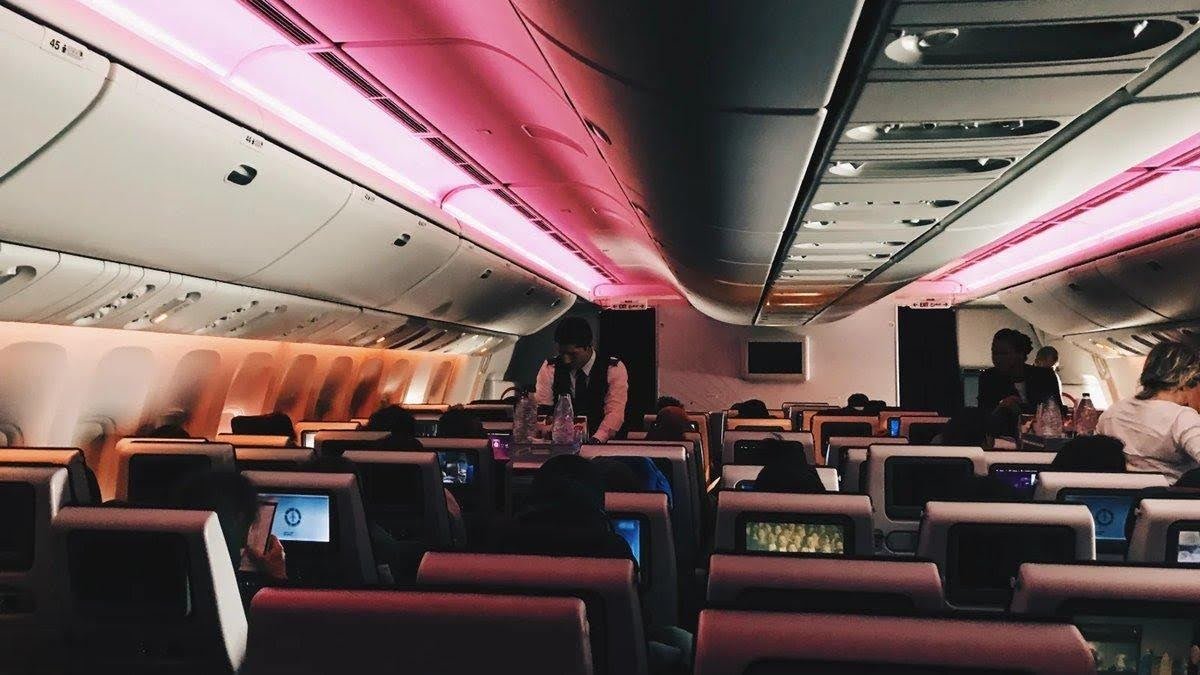
Overnight long-haul flights are where a flat bed makes the biggest difference.
By the team at Experts Business First · Updated November 2026
Key takeaways
- Many UK business class passengers are visiting family or travelling for work, not going on holiday.
- A flat bed gives you a far better chance of arriving rested for a meeting or a family visit.
- Business class usually comes with a more generous baggage allowance and, depending on the fare, more flexible change rules.
- If your destination needs a domestic connection, check that flight’s cabin and book everything on one ticket where you can.
Business class is often associated with luxury, but many long-haul business class passengers from the UK are flying for much more practical reasons. They’re flying to see a daughter in Sydney, to meet a new grandchild in Johannesburg or to attend a meeting in Singapore that can’t be done on a video call.
For these trips, business class is less about luxury and more about the condition you arrive in. Here’s why it can make a practical difference.
The reality of long-haul travel from the UK
Long-haul trips from the UK can mean many hours in the air and at a connecting airport. Journeys to Australia often require a connection through the Gulf or Asia, with total journey time varying by destination and routing. Flights to South Africa are long overnight journeys, and flights to the Far East or the west coast of North America also cross many time zones.
A long journey can leave you tired, particularly when it involves an overnight flight and a connection. That’s especially difficult when you have a meeting soon after landing, or a short family visit where every day counts.
Arriving ready for a business meeting
A quiet place to work before a flight helps business travellers arrive prepared.
For business travellers, the case for business class is simple. If you have to perform well soon after landing, sleep is the most valuable thing a flight can give you.
A fully flat bed won’t eliminate jet lag, but it gives you a much better chance of proper sleep than an upright economy seat, although how well you rest still depends on you and the journey. Business class also gives you:
- Space to work. A wider seat and larger table make it realistic to prepare for a meeting on board.
- A quieter environment, with fewer passengers in the cabin.
- Lounge access (where included in your fare), useful for working, eating properly or freshening up during a connection.
- Priority services, such as priority boarding, fast-track security or priority baggage handling where available, which can make parts of the airport journey easier.
For employers, the decision often comes down to the value of an employee arriving rested and ready to work, weighed against the additional fare.
Making long journeys to visit family more comfortable
For travellers visiting family overseas, the reasons are different but just as practical. These trips often happen once or twice a year, sometimes less, and the time at the other end matters.
Arriving rested means more time with the people you’ve travelled to see, rather than spending the first few days recovering. That matters even more for:
- Older travellers, for whom a long journey in an upright seat can be especially tiring.
- Parents visiting grandchildren, who want to be useful and present from the day they land.
- Travellers going for an important family occasion, who want to arrive ready for it rather than recovering from the journey.
Many older travellers and those with mobility concerns also appreciate the extra space, priority boarding and the easier pace of the journey. If you need assistance at the airport, request it through your airline in advance, whichever cabin you book. The UK Civil Aviation Authority’s assisted travel guidance explains what help is available and how to arrange it.
Sleep, privacy and personal space on overnight flights
Most long-haul business class cabins now offer a fully flat bed, and many newer cabins use a 1-2-1 layout that gives every passenger direct aisle access, so you don’t have to climb over a neighbour. Newer suites, such as Qatar Airways’ Qsuite or British Airways’ Club Suite, add a closing door.
Older configurations remain in service, so it’s worth checking the cabin layout for your flights before booking.
Baggage allowances and travelling with gifts
Anyone who has visited family abroad knows the challenge of packing gifts, clothes for several weeks and items family members have asked you to bring.
Business class baggage allowances are usually more generous than economy, which helps when you’re carrying family gifts or belongings for an extended stay. The number of bags and maximum weight vary by airline, route and fare, so check the allowance shown on your booking.
Flexible tickets, changes and connecting flights
Business trips and family visits share one thing: plans can change. A meeting moves, a family situation develops, or you decide to stay a little longer.
Many business class fares offer more flexibility than economy fares, with lower change fees or more generous rules, although the cheapest business fares can be more restrictive. If there’s a real chance your dates will move, it’s worth paying attention to the fare conditions, not just the price.
Specialist tip: If your return date may change, compare the extra cost of a flexible fare with the change fee and any fare difference on a cheaper ticket. The better option depends on the fare conditions and how likely your plans are to change.
When your destination is beyond a major airport
Many families don’t live in a major international city. A UK traveller might be visiting relatives in a regional town, which means a domestic flight after the long-haul journey.
That final flight is often on a smaller aircraft, and the cabin can differ from the long-haul flight. For example, a traveller heading to Alice Springs in Australia’s Northern Territory would fly long-haul to a gateway such as Sydney or Adelaide, then connect to a domestic flight. On some of these domestic routes, a smaller regional business cabin is available, and on others it’s economy only. When comparing business class flights to Alice Springs or other regional destinations, look at the domestic flight as carefully as the long-haul ones.
Booking the whole journey on one ticket also helps. With a protected connection on a single ticket, the airline will generally rebook you if a delay causes you to miss your onward flight, subject to the ticket’s conditions.
Choosing the right business class for your journey
If you’ve decided business class makes sense, a few questions help narrow the choice:
- Which flight matters most? On a one-stop trip, the longest overnight flight is where a flat bed makes the biggest difference.
- How much flexibility do you need? Compare fare rules, not just prices.
- What are you carrying? Check baggage allowances if you’re travelling with gifts or for a long stay.
- Is there a final domestic flight? Check the cabin and the connection time.
- Who’s travelling? Couples, families and older travellers may value different features, from double beds to priority assistance.
Business class is about arriving well
For many UK travellers, business class isn’t an indulgence but a way of making a demanding journey manageable. Whether you’re flying for a meeting that matters or to spend precious time with family, arriving rested, with your luggage and with flexibility if plans change, is often what makes the trip a success.
Frequently asked questions
Why do people fly business class?
Most people fly business class on long-haul routes to arrive rested. A flat bed, more space, lounge access and priority services make a long journey more manageable, which matters most when you’re travelling for work or have limited time with family.
Does flying business class help with jet lag?
It doesn’t prevent jet lag, but a fully flat bed gives you a better chance of proper sleep than an economy seat. That can make the first days after arrival easier, although how well you rest depends on you and the flight times.
What is the baggage allowance in business class?
It varies by airline, route and fare. Business class allowances are usually more generous than economy, either as a number of bags or as a total weight. Check the allowance shown on your booking before you pack.
Can I change the dates of a business class ticket?
Many business class fares allow changes, sometimes with a fee or a fare difference. The cheapest business fares can be more restrictive. If your plans may change, compare the fare rules as well as the price.
Is business class worth it for older travellers?
For many older travellers, the extra space, flat bed and priority boarding make a long-haul journey much less tiring. Airport assistance is available in every cabin if requested in advance through the airline.
What happens if I miss a connecting flight in business class?
If the whole journey is on one ticket with a protected connection, the airline will generally rebook you if a delay causes you to miss your onward flight. With separate tickets, you may have to arrange and pay for a new flight yourself.
About Experts Business First
Experts Business First is a UK-based specialist in long-haul business and first class flights. This guide provides general information to help UK travellers compare airline cabins, fare conditions and connecting itineraries. Airline products, schedules and ticket conditions can change, so travellers should confirm the details of their booking before departure.