

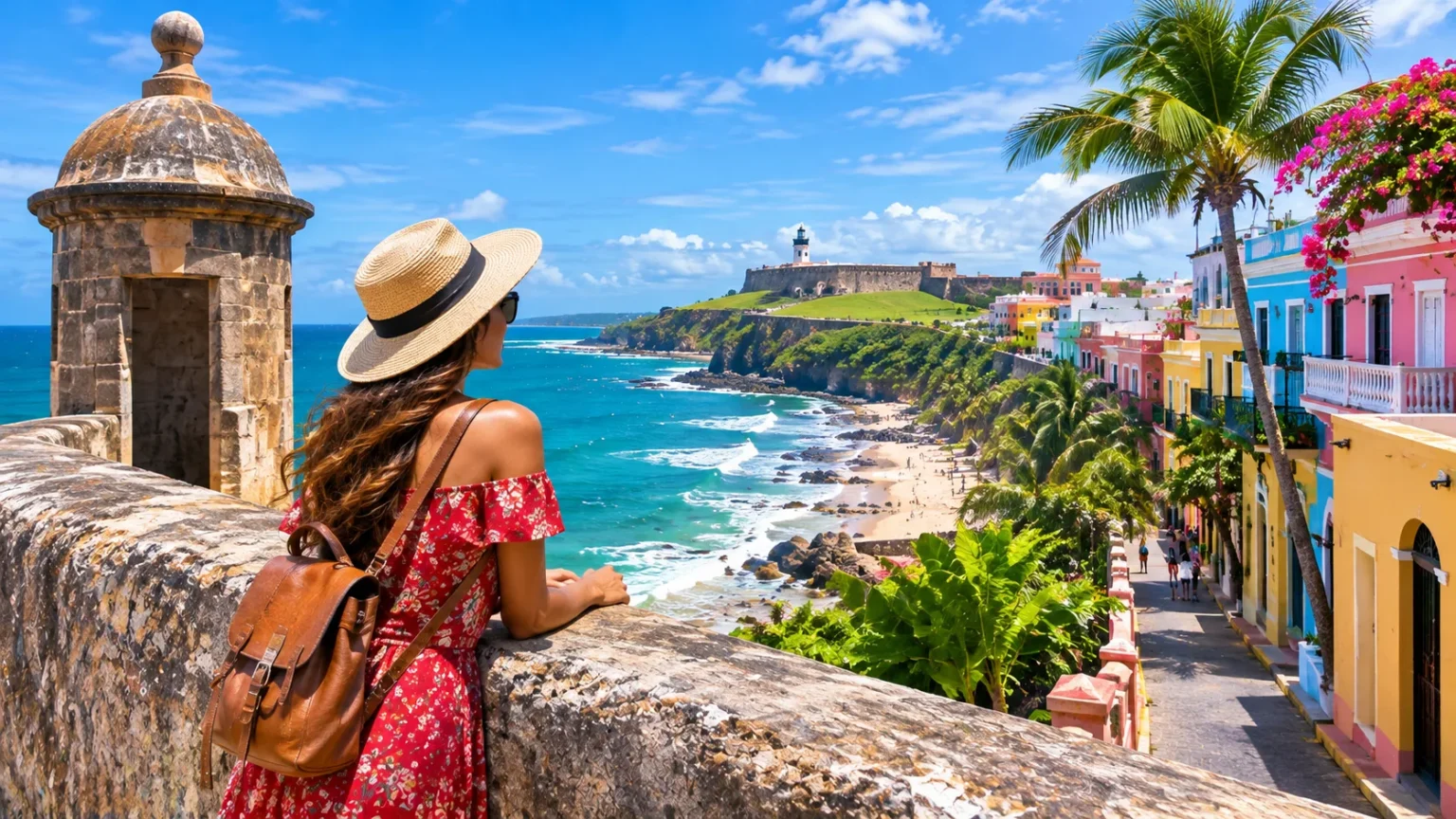
Puerto Rico is a Caribbean destination known for its beautiful beaches, colorful historic streets, tropical rainforests, and remarkable natural attractions. From the lively atmosphere of San Juan to the quiet shores of Culebra and Vieques, the island offers unforgettable experiences for different types of travelers. Whether you enjoy swimming, sightseeing, local food, or outdoor adventures, there are plenty of exciting things to do in Puerto Rico.
Finding the best places to visit in Puerto Rico involves exploring both its famous attractions and lesser-known destinations. Beyond popular beaches, visitors can discover hidden coves, mountain landscapes, historic forts, and fascinating bioluminescent bays. This guide covers the best beaches, hidden gems, cultural attractions, and practical travel tips to help you plan a memorable Puerto Rico vacation.
Why Is Puerto Rico Worth Visiting?
Puerto Rico combines tropical scenery, historic architecture, and a distinctive Caribbean culture within a relatively compact destination. Visitors can explore beautiful beaches, wander through colonial-era streets, and experience lush mountain landscapes during the same trip. This variety makes the island appealing to families, couples, solo travelers, and outdoor enthusiasts.
One of Puerto Rico’s biggest attractions is the contrast between its different regions. The northern coast features lively cities and dramatic shorelines, while the western region is known for surfing and sunsets. Inland areas offer forests, mountains, and small communities where travelers can experience another side of island life.
Puerto Rico is also known for its food, music, and welcoming cultural atmosphere. Traditional dishes, local markets, and community celebrations provide opportunities to learn about the island beyond its natural attractions. Exploring different neighborhoods and towns can make your visit more rewarding than spending the entire holiday at one resort.
Explore the Colorful Streets of Old San Juan
Old San Juan is one of Puerto Rico’s most recognizable attractions, known for its colorful buildings, narrow streets, and historic architecture. Walking through the neighborhood reveals brightly painted houses, attractive balconies, and public squares. Its compact layout makes it ideal for travelers who enjoy exploring a destination on foot.
The historic district contains notable landmarks, including Castillo San Felipe del Morro and Castillo San Cristóbal. These impressive fortifications reflect Puerto Rico’s colonial history and strategic position in the Caribbean. Visitors can explore their grounds, learn about the past, and admire sweeping views of the Atlantic Ocean.
Beyond its historic buildings, Old San Juan offers cafés, local shops, museums, and traditional restaurants. Spend time exploring quieter streets rather than concentrating only on the busiest attractions. Comfortable walking shoes are useful because some streets are steep, and the historic surfaces may be uneven.
Relax at Flamenco Beach in Culebra
Flamenco Beach is one of Puerto Rico’s most famous beaches, located on the small island of Culebra. Its wide stretch of pale sand, turquoise water, and surrounding green hills creates a beautiful coastal setting. The beach is especially popular with travelers looking for scenic Caribbean landscapes and a relaxing atmosphere.
Visitors can enjoy beach walks, sunbathing, and swimming when sea conditions are suitable. The surrounding natural scenery makes Flamenco Beach an attractive destination for photography and peaceful outdoor relaxation. However, water conditions can change, so visitors should follow posted safety notices and avoid swimming when currents or waves are dangerous.
Reaching Culebra requires additional travel planning because it is separate from Puerto Rico’s main island. Public ferry services depart from Ceiba, while flights are another option. Booking transportation ahead of time is useful during weekends and holidays, particularly when visitor demand increases.
Discover the Quiet Beaches of Vieques
Vieques is a smaller island east of mainland Puerto Rico, known for its beautiful beaches and relaxed atmosphere. Many visitors come to enjoy quieter shorelines and natural surroundings away from busy resort districts. The island offers opportunities for scenic drives, coastal exploration, and wildlife observation.
Sun Bay is one of the better-known beaches on Vieques, offering an attractive sandy shoreline and a convenient setting for a beach day. Other coastal areas provide more secluded scenery, although access and facilities vary. Visitors should check road conditions and beach safety information before exploring less-developed areas.
Vieques can be reached by ferry from Ceiba or by air, making it suitable for an overnight stay or a longer visit. Spending additional time on the island allows travelers to explore at a more relaxed pace. Its combination of beaches and natural attractions makes it a memorable addition to a Puerto Rico itinerary.
Visit El Yunque National Forest
El Yunque National Forest is one of Puerto Rico’s most impressive natural attractions. Located in the northeastern part of the main island, it is the only tropical rainforest in the U.S. National Forest System. Visitors can experience lush vegetation, scenic viewpoints, waterfalls, and the distinctive sounds of tropical wildlife.
The forest contains walking routes and recreational areas suitable for different interests and abilities. Yocahú Tower is a popular viewpoint, while selected trails offer opportunities to observe the rainforest environment more closely. Conditions can be wet and slippery, making appropriate footwear and careful route selection important.
Access to the main recreation corridor currently operates without advance reservations, but parking capacity is limited and some trails may be closed. Arriving earlier in the day can improve your chances of entering busy areas. Always check current forest alerts before traveling, especially after heavy rainfall or severe weather.
Experience Puerto Rico’s Bioluminescent Bays
Puerto Rico is famous for its bioluminescent bays, where microscopic organisms produce a glowing effect when the water is disturbed. The island has three well-known locations: Mosquito Bay in Vieques, Laguna Grande in Fajardo, and La Parguera in Lajas. These natural environments provide one of the island’s most unusual visitor experiences.
Mosquito Bay is particularly famous for its intense bioluminescence, while Laguna Grande is popular with travelers staying near San Juan. Guided kayak and boat experiences are available depending on the location and operator. The brightness of the water varies with moonlight, weather, and environmental conditions, so no particular viewing experience is guaranteed.
Visiting close to a new moon may improve visibility because the sky is darker. Choose a responsible tour provider and follow conservation rules designed to protect the fragile ecosystems. Swimming is prohibited at Mosquito Bay and Laguna Grande, while La Parguera has different rules that visitors should confirm before booking.
Explore Playa Sucia and Cabo Rojo
Cabo Rojo is located in southwestern Puerto Rico and is known for dramatic coastal landscapes, beaches, and natural attractions. One of its most scenic destinations is La Playuela, commonly called Playa Sucia. Despite its unusual name, the beach is admired for its crescent-shaped shoreline and beautiful surroundings.
The nearby Los Morrillos Lighthouse provides another reason to explore the area. Its location near striking coastal cliffs creates opportunities for scenic photographs and panoramic views. Visitors can combine the lighthouse and beach in one outing, although exposed terrain and changing weather require care.
The area is less developed than some popular urban beaches, so facilities may be limited. Bring drinking water, appropriate sun protection, and comfortable walking shoes. Stay away from unprotected cliff edges, and remember that beaches without lifeguards require extra caution when evaluating sea conditions.
Discover Hidden Beaches in Fajardo
Fajardo is known for its coastal scenery, boat excursions, and access to nearby islands. Beyond its popular beaches, the region contains quieter destinations such as Playa Escondida and Playa Colorá. These locations appeal to travelers interested in exploring less crowded natural surroundings.
Playa Escondida can be reached by a walking trail beginning near the Seven Seas Beach area. The route leads toward a peaceful shoreline surrounded by coastal vegetation. Playa Colorá is another nearby beach recognized for its distinctive sand and natural scenery, although access conditions should be checked before visiting.
These beaches have fewer facilities than developed tourist areas, making preparation important. Carry water, suitable footwear, and sun protection, and avoid visiting unfamiliar coastal trails during dangerous weather. Some secluded beaches can have strong currents and are better enjoyed from the shore rather than as swimming destinations.
Enjoy the Beaches and Sunsets of Rincón
Rincón is a popular coastal town in western Puerto Rico, especially known for surfing, beaches, and beautiful sunsets. Its laid-back atmosphere attracts visitors who enjoy scenic ocean views and relaxed coastal experiences. The surrounding area offers several beaches, cafés, and places to watch the evening sky.
Some Rincón beaches are associated with strong surf conditions, particularly during parts of the year. Visitors can watch experienced surfers from safe viewing areas or enjoy walks along appropriate sections of the shoreline. Swimming conditions vary considerably, so selecting a beach based on current safety information is important.
Sunset is one of the most enjoyable times to explore Rincón’s coastline. Many visitors find a comfortable spot overlooking the ocean and enjoy the changing colors of the sky. This simple experience is a memorable part of western Puerto Rico and does not require an elaborate activity schedule.
Visit Crash Boat Beach in Aguadilla
Crash Boat Beach is one of the most recognizable beaches in northwestern Puerto Rico. Located near Aguadilla, it is known for colorful waterfront scenery, clear water under suitable conditions, and a lively beach atmosphere. Its accessible location makes it a popular stop during a western coastal road trip.
The beach is associated with swimming, snorkeling, and other seaside activities when conditions permit. Visitors can also relax on the sand and enjoy views of the surrounding coastline. Water visibility and currents change with weather and waves, so checking local conditions before entering the sea remains essential.
Crash Boat can become busy during weekends and holidays, particularly when the weather is pleasant. Arriving earlier may help travelers find parking and enjoy a quieter atmosphere. Combining the beach with nearby coastal sightseeing can create an enjoyable day without requiring extensive travel between attractions.
Explore Guánica Dry Forest
Guánica State Forest offers a different natural environment from Puerto Rico’s famous tropical rainforest. Located in the southwest, this protected area features dry forest vegetation, rocky terrain, and coastal ecosystems. Its distinctive landscape makes it an interesting destination for travelers who enjoy nature and exploring less familiar environments.
The forest contains hiking trails that provide opportunities for birdwatching, photography, and observing native plants. Certain routes lead toward coastal viewpoints or historic features, while others explore the dry forest’s interior. Trail difficulty varies, making it important to choose a route appropriate for your experience and the weather.
Conditions can be hot and exposed, particularly during the middle of the day. Carry sufficient drinking water, wear suitable shoes, and follow marked routes. Visitors should also check current opening arrangements and trail conditions before arriving, since access to certain sections may change.
Discover Mar Chiquita Beach in Manatí
Mar Chiquita is a distinctive coastal attraction located near Manatí on Puerto Rico’s northern shore. The beach is recognizable for a natural rocky opening that allows ocean water to enter a sheltered-looking cove. This unusual formation creates a scenic destination for photography and coastal sightseeing.
The contrast between turquoise water, surrounding rocks, and sandy shoreline makes Mar Chiquita popular among visitors exploring the northern coast. Its landscape offers an interesting alternative to long open beaches. However, the rocky entrance can channel powerful waves, and apparently calm areas may become dangerous when sea conditions change.
Visitors should not assume the cove is always safe for swimming. Strong currents, rough surf, and uneven rocks can create serious hazards, particularly during unfavorable weather. Enjoying the scenery from a safe position is a worthwhile experience even when entering the water is not advisable.
Experience Local Food and Puerto Rican Cuisine
Exploring Puerto Rican food is one of the most enjoyable ways to experience the island’s culture. Traditional dishes combine influences from Indigenous Taíno, African, and Spanish culinary traditions. Many local restaurants emphasize flavorful ingredients, hearty meals, and recipes that have been passed through generations.
Mofongo is a well-known Puerto Rican dish made from mashed fried plantains, commonly prepared with garlic and other seasonings. Other popular foods include arroz con gandules, a rice dish with pigeon peas, and various preparations of seafood and meat. Travelers can also find regional desserts and fresh tropical fruit.
Local bakeries, family-run restaurants, and food kiosks provide opportunities to try different specialties. The Luquillo kiosks are particularly well known for offering a variety of dining choices near the northeastern coast. Exploring everyday food establishments can be just as memorable as visiting major tourist attractions.
Take a Scenic Road Trip Across Puerto Rico
A road trip allows travelers to discover places beyond the busiest neighborhoods of San Juan. Puerto Rico’s different regions offer dramatic coastal views, mountain landscapes, historic towns, and small communities. Driving can provide flexibility when visiting attractions that are difficult to reach through public transportation.
The northern and western coasts are appealing for travelers interested in beaches and ocean scenery. Southern and southwestern routes introduce a different landscape, including dry forests and coastal cliffs. Inland destinations provide opportunities to experience the island’s mountains, local restaurants, and rural communities.
Plan routes with realistic travel times rather than attempting to see too many places in one day. Road conditions, mountain curves, and traffic can affect journey duration. A flexible itinerary with adequate rest stops allows you to enjoy the scenery without turning the trip into a rushed checklist.
Best Time to Visit Puerto Rico
Puerto Rico has a tropical climate that makes travel possible throughout the year, although seasonal conditions vary. The period from December through April is popular because it often brings comparatively drier weather. These months can be attractive for sightseeing and beach holidays, but accommodation may be more expensive during busy periods.
Summer generally brings warm temperatures and opportunities for coastal activities. However, humidity, rainfall, and occasional thunderstorms are important considerations. Travelers should plan outdoor activities around the forecast and remain flexible when weather conditions change.
The Atlantic hurricane season officially runs from June through November, although tropical storms do not affect the island continuously. Visitors traveling during this period should monitor forecasts and understand cancellation or travel insurance conditions. The best time to visit ultimately depends on budget, preferred activities, and tolerance for changing weather.
How to Get Around Puerto Rico
Getting around Puerto Rico depends on where you plan to stay and which attractions you want to visit. San Juan offers taxis, rideshare services, and some public transportation options. However, exploring remote beaches, mountain towns, and attractions across the main island is often easier with a rental car.
Traveling to Vieques or Culebra requires additional planning because these destinations are separate islands. Public ferries depart from Ceiba, not directly from San Juan, and flight services may also be available. Ferry schedules, ticket availability, and weather-related changes should be checked before departure.
If you decide to drive, consider parking arrangements, road conditions, and the distance between attractions. Smaller mountain and coastal roads may require additional care, especially in poor weather. Travelers who prefer not to drive can consider organized tours or prearranged transportation for selected destinations.
Puerto Rico Travel Tips for First-Time Visitors
Planning ahead can make a Puerto Rico vacation more enjoyable, particularly when visiting popular beaches or smaller islands. Reserve accommodation according to the regions you want to explore, rather than choosing a location based only on price. Staying closer to planned activities can reduce daily travel time and transportation expenses.
Puerto Rico uses the U.S. dollar, and both Spanish and English are official languages. Spanish is widely spoken, so learning a few simple phrases may make everyday interactions easier. Visitors should also check applicable entry and identification requirements based on their citizenship and travel route.
Pack comfortable walking shoes, lightweight clothing, sun protection, and a rain jacket suitable for tropical weather. Always follow beach warning signs and respect protected natural areas. Checking attraction schedules and current transportation information can help prevent disruptions during your trip.
Conclusion
Puerto Rico offers an impressive combination of tropical beaches, historic landmarks, rainforest scenery, and lesser-known natural attractions. From Old San Juan and Flamenco Beach to El Yunque and the glowing bioluminescent bays, the island provides many memorable experiences. Exploring different regions helps visitors discover how varied Puerto Rico’s landscapes and communities can be.
Travelers who venture beyond the most popular attractions can discover quieter beaches, dry forests, scenic coastal towns, and unique geological formations. Destinations such as Cabo Rojo, Guánica, and Fajardo offer opportunities for slower exploration. Combining well-known highlights with lesser-visited places can create a more balanced and enjoyable itinerary.
The best things to do in Puerto Rico depend on your interests, available time, and preferred travel style. Whether you’re planning a short city break or a longer island adventure, thoughtful preparation makes a difference. With beautiful scenery, distinctive food, and rich cultural experiences, Puerto Rico is a rewarding Caribbean destination to explore.
Frequently Asked Questions
What Are the Best Things to Do in Puerto Rico?
Popular activities include exploring Old San Juan, visiting Flamenco Beach, hiking in El Yunque, and experiencing a bioluminescent bay. Cabo Rojo and Rincón are also excellent choices for coastal sightseeing.
What Are Some Hidden Gems in Puerto Rico?
Hidden gems include Playa Escondida near Fajardo, Guánica Dry Forest, secluded beaches around Culebra, and the dramatic coastline of Cabo Rojo. Some locations have limited facilities and require additional planning.
How Many Days Do You Need in Puerto Rico?
Five to seven days provides enough time to explore San Juan, visit El Yunque, and enjoy several beaches. Longer trips allow more opportunities to discover Vieques, Culebra, and western Puerto Rico.
What Is the Best Month to Visit Puerto Rico?
January through April is popular for comparatively drier weather and outdoor activities. However, Puerto Rico can be visited year-round, with seasonal rainfall, crowds, and tropical storm risks influencing travel plans.
Is Puerto Rico Good for a Family Vacation?
Yes, Puerto Rico offers family-friendly attractions, including historic forts, museums, accessible beaches, and guided nature experiences. Choose activities according to children’s ages, local conditions, and appropriate safety guidance.