

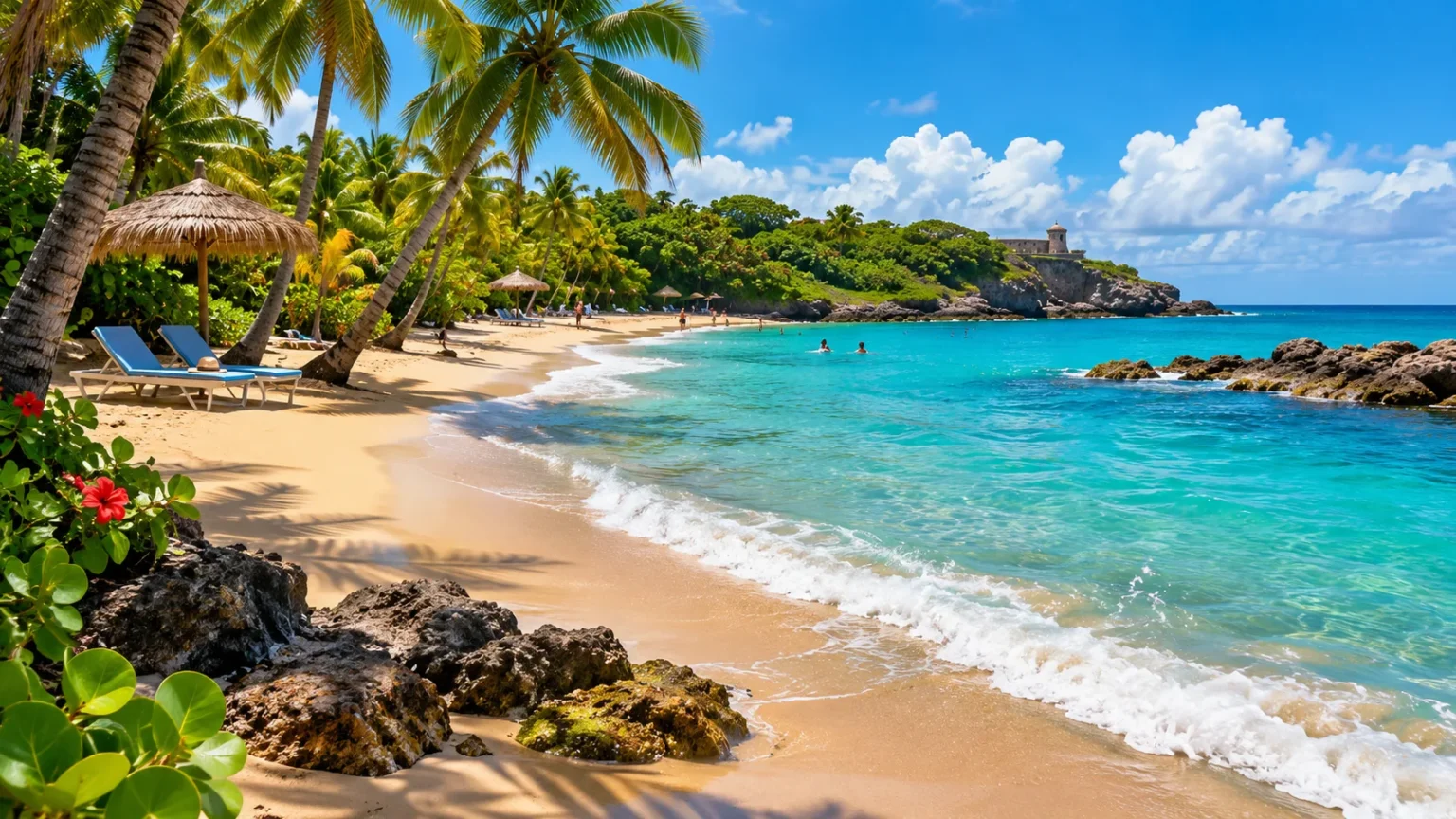
Puerto Rico is home to some of the Caribbean’s most beautiful beaches, offering soft white sand, turquoise water, tropical scenery, and unforgettable coastal experiences. From peaceful island escapes to lively beaches near San Juan, visitors can discover destinations for relaxation, swimming, snorkeling, and photography. The variety of coastlines makes Puerto Rico an attractive destination for families, couples, and adventure-loving travelers.
Exploring Puerto Rico beaches is about more than finding a beautiful stretch of sand. Each coastal region offers something different, including protected bays, dramatic cliffs, natural swimming areas, and excellent surfing locations. Some beaches feature restaurants and convenient facilities, while others provide a quieter environment surrounded by nature. Choosing the right location can make your vacation more enjoyable.
Whether you are planning your first Caribbean vacation or returning to explore new destinations, knowing where to go makes a difference. This guide covers beautiful beaches in Puerto Rico, popular coastal attractions, and practical travel tips. You will also learn when to visit, what to bring, and how to enjoy the coastline responsibly. With thoughtful planning, you can create a memorable beach vacation.
Flamenco Beach: A Tropical Paradise in Culebra
Flamenco Beach is one of the most famous beaches in Puerto Rico, located on the small island of Culebra. Its crescent-shaped shoreline features powdery white sand, clear turquoise water, and beautiful green hills. The scenery makes it a favorite destination for beach lovers and photographers. Visitors often travel from the main island specifically to experience this remarkable Caribbean setting.
The beach is particularly attractive for swimming and relaxing when ocean conditions are calm. Its wide sandy shoreline provides space for sunbathing, walking, and enjoying the surrounding tropical landscape. Visitors can also explore nearby coastal scenery and appreciate the island’s peaceful atmosphere. However, swimmers should always assess current water conditions because even sheltered beaches can experience dangerous currents.
Getting to Culebra generally involves taking a ferry from Ceiba or arranging a flight. Travelers should check transportation schedules, availability, and beach access information before departure. Bringing drinking water, sunscreen, and other essentials is helpful, especially during a full-day excursion. Arriving early can provide more time to explore Flamenco Beach and enjoy its beautiful surroundings.
La Chiva Beach: Discover the Beauty of Vieques
La Chiva Beach, also known as Blue Beach, is a beautiful coastal destination on the island of Vieques. Its long shoreline features white sand, bright blue water, and natural vegetation. The beach sits within the Vieques National Wildlife Refuge, giving visitors an opportunity to enjoy a relatively undeveloped environment. Its peaceful setting makes it especially appealing to nature lovers.
La Chiva attracts travelers interested in relaxing, photography, and observing marine life. Some sections feature clear water and interesting underwater scenery, making snorkeling possible when conditions are suitable. Visitors should remain aware of currents, underwater obstacles, and changing weather. Choosing an appropriate area based on experience and local guidance helps make coastal activities safer.
Exploring Vieques requires additional transportation planning because the island is separate from mainland Puerto Rico. Visitors can travel by ferry or plane and arrange suitable transportation after arrival. Some beach access roads may be rough, while certain refuge areas have restrictions. Checking current access conditions and carrying necessary supplies helps travelers enjoy La Chiva without unexpected difficulties.
Luquillo Beach: A Family-Friendly Coastal Escape
Luquillo Beach is a popular destination on Puerto Rico’s northeastern coast, especially for visitors seeking a convenient beach experience. Its palm-lined shoreline, sandy surroundings, and recreational facilities make it attractive to families and groups. The main public beach, Balneario La Monserrate, is well known for its welcoming atmosphere. It offers an enjoyable combination of natural scenery and visitor convenience.
One advantage of Luquillo is its location near El Yunque National Forest, allowing travelers to combine coastal relaxation with rainforest sightseeing. Visitors can spend part of the day exploring natural attractions before heading toward the beach. Nearby food kiosks also provide opportunities to experience local Puerto Rican cuisine. This combination makes Luquillo a versatile destination for different travel interests.
Families should choose swimming areas carefully and follow posted safety information, even when the sea appears gentle. Beach facilities and lifeguard availability may vary depending on operating hours and conditions. Bringing towels, sun protection, and drinking water helps make the visit more comfortable. Planning around weekends and holidays can also help travelers manage larger crowds.
Isla Verde Beach: Beautiful Beaches Near San Juan
Isla Verde Beach is one of the most convenient coastal destinations for travelers staying near San Juan. Located in Carolina, close to the airport, this popular shoreline features golden sand, tropical views, and nearby hotels. Its accessible setting makes it attractive for short vacations and visitors with limited transportation options. Restaurants and accommodation choices add to its convenience.
The beach offers opportunities for walking, sunbathing, and enjoying views of the Atlantic Ocean. Some sections may support swimming or water sports when conditions allow, although waves and currents can change. Visitors should never assume that every part of the shoreline is suitable for entering the water. Local warnings and designated swimming areas should guide their activities.
Isla Verde is especially appealing to travelers who want to combine beach relaxation with city attractions. San Juan’s restaurants, historic neighborhoods, and shopping areas are within reach by road. Visitors can enjoy a morning at the beach before exploring other destinations later in the day. This flexibility makes Isla Verde a practical choice for a balanced Puerto Rico itinerary.
Escambrón Beach: A Scenic Swimming Spot in San Juan
Escambrón Beach is another excellent destination for visitors who want to enjoy Puerto Rico’s coastline without traveling far from San Juan. Located near the historic city center, it combines sandy areas with coastal scenery and nearby recreational spaces. The beach is known for its protected sections and interesting underwater environment. Its convenient location makes it popular with residents and tourists.
Snorkeling is one of the activities associated with Escambrón, particularly in areas with suitable water conditions. Visitors may encounter fish and other marine life around rocky underwater features. However, snorkeling should only take place when visibility, currents, and personal ability make conditions appropriate. Avoid touching coral or disturbing wildlife while exploring the underwater environment.
Escambrón also provides an enjoyable setting for walking, photography, and relaxing near the ocean. Travelers can combine a beach visit with sightseeing around Old San Juan and nearby landmarks. Arriving earlier in the day may help with finding convenient parking and avoiding peak crowds. Following posted safety instructions remains important throughout the visit.
Crash Boat Beach: Colorful Views in Aguadilla
Crash Boat Beach is a lively coastal attraction in Aguadilla, on Puerto Rico’s northwestern side. The destination is recognized for its colorful waterfront scenery, sandy shoreline, and distinctive pier structures. Bright blue water and surrounding hills create excellent photography opportunities. Its energetic atmosphere attracts visitors seeking a more social beach experience than secluded coastal destinations.
Swimming, snorkeling, and diving are popular activities around Crash Boat when conditions are appropriate. Marine life can sometimes be observed near underwater structures and rocky areas. However, water conditions vary, particularly when seasonal swells reach the coast. Visitors should avoid unsafe jumping activities and enter the water only where conditions and local guidance permit.
The beach also offers opportunities to enjoy local food and experience the relaxed atmosphere of western Puerto Rico. Nearby coastal communities provide additional restaurants, viewpoints, and sightseeing possibilities. During weekends and holidays, Crash Boat may attract substantial crowds. Planning an early visit can help travelers enjoy the scenery before the busiest periods.
Playa Sucia: Dramatic Coastal Beauty in Cabo Rojo
Playa Sucia, also called La Playuela, is a striking beach destination in southwestern Puerto Rico. Located near the Cabo Rojo National Wildlife Refuge, it features a curved shoreline surrounded by rocky landscapes and impressive coastal scenery. The nearby cliffs and lighthouse area make this destination particularly appealing to photographers. Its remote atmosphere offers a different experience from urban beaches.
Visitors often choose Playa Sucia for scenic walks, photography, and spending time in a relatively natural environment. The combination of blue water, pale sand, and dramatic landforms creates memorable views. However, wave conditions and currents can make swimming hazardous at times. Travelers should prioritize coastal observation when the water is rough rather than entering unsafe areas.
Accessing the beach may involve traveling along uneven roads and walking from designated parking areas. Facilities can be limited, so carrying sufficient drinking water and sun protection is important. Visitors should remain on permitted paths and avoid approaching unstable cliff edges. Responsible exploration helps protect the surrounding refuge while allowing travelers to appreciate its remarkable natural beauty.
Rincón Beaches: A Favorite for Surfing and Sunsets
Rincón is a coastal town in western Puerto Rico known for its surfing culture, scenic beaches, and beautiful sunsets. Popular locations include Domes Beach, Sandy Beach, and several other stretches of coastline. The area’s relaxed atmosphere attracts visitors interested in ocean scenery and outdoor recreation. Its western location also provides opportunities to watch the sun disappear over the horizon.
Surfing is a major attraction in Rincón, particularly when seasonal Atlantic swells produce larger waves. These conditions can be dangerous for inexperienced swimmers and people without appropriate surfing training. Travelers who prefer calmer water should research protected swimming locations instead of assuming surf beaches are suitable. Observing experienced surfers from shore can be enjoyable without entering challenging conditions.
Rincón also features restaurants, accommodations, and scenic viewpoints that make it attractive for extended stays. Visitors can spend their mornings exploring coastal attractions and their evenings enjoying sunset views. Rental transportation may provide greater flexibility for reaching different beaches. Travelers should check local conditions and choose activities appropriate for their abilities and experience.
Hidden and Less Crowded Beaches in Puerto Rico
Beyond its famous coastal attractions, Puerto Rico offers beautiful beaches that may feel quieter during certain times of the year. Locations such as Playa Caracas in Vieques, Zoni Beach in Culebra, and Buyé Beach in Cabo Rojo attract visitors seeking scenic surroundings. Each destination offers a distinctive coastal environment. Crowd levels depend on weather, holidays, accessibility, and seasonal demand.
Playa Caracas is known for its attractive white sand and natural setting within the Vieques National Wildlife Refuge. Zoni Beach offers beautiful coastal views and a more peaceful atmosphere than some heavily visited locations. Buyé Beach features appealing scenery along Puerto Rico’s southwestern coastline. These destinations can provide enjoyable alternatives for travelers who prefer a slower vacation experience.
Remote beaches require additional preparation because visitor facilities and emergency services may be less accessible. Travelers should check local access rules, road conditions, and weather forecasts before leaving. Carrying water, appropriate footwear, and basic supplies is especially important. Avoid swimming alone or entering unfamiliar water simply because a beach appears quiet or inviting.
Best Time to Visit Puerto Rico Beaches
Puerto Rico enjoys a tropical climate, making its beaches attractive throughout much of the year. However, seasonal weather patterns can influence rainfall, ocean conditions, and visitor numbers. December through April is a popular period because many travelers seek warm weather during the Northern Hemisphere’s winter. Accommodation prices and beach crowds may increase during busy holiday periods.
Late spring can offer an appealing balance between pleasant temperatures and potentially smaller crowds. Summer generally brings warm conditions, humidity, and occasional heavy showers. The Atlantic hurricane season officially runs from June through November, although tropical storms do not occur continuously. Travelers visiting during this period should monitor forecasts and maintain flexible arrangements.
The best travel dates also depend on planned activities and preferred coastal regions. Winter swells may create favorable surfing conditions on certain northern and western beaches while making swimming more hazardous. Other locations may remain calmer depending on wind direction and local geography. Checking daily beach conditions helps visitors choose suitable destinations regardless of the season.
Essential Tips for Planning a Puerto Rico Beach Vacation
A successful beach vacation begins with choosing destinations that match your travel preferences and available time. Visitors staying in San Juan may prefer Isla Verde or Escambrón for convenient day trips. Travelers interested in remote island scenery might explore Vieques or Culebra instead. Grouping nearby attractions together can reduce unnecessary travel and make the itinerary more comfortable.
Pack essential items such as sunscreen, reusable water bottles, comfortable sandals, towels, and lightweight clothing. A waterproof bag can protect personal belongings during sudden rain showers or boat journeys. Some remote beaches offer limited shade and facilities, making advance preparation important. Carrying out your trash also helps preserve the natural beauty of Puerto Rico’s coastline.
Transportation arrangements deserve particular attention when visiting islands or less developed beach areas. Ferry tickets, rental vehicles, and accommodation availability may require advance booking during popular travel periods. Visitors should also confirm operating schedules before departure. Allowing extra time for transportation and unexpected weather changes helps create a more relaxed travel experience.
Beach Safety and Responsible Coastal Travel
Beach safety is essential because even beautiful tropical shorelines can experience strong currents, rough waves, and rapidly changing weather. Travelers should check official marine forecasts and posted warnings before swimming. Red flags or other local safety notices may indicate dangerous conditions. When uncertain, staying on shore is safer than entering unfamiliar water.
Protecting marine environments is another important responsibility when exploring Puerto Rico beaches. Coral reefs, coastal vegetation, and marine animals can be damaged by careless behavior. Avoid touching coral, feeding wildlife, or leaving plastic waste behind. Visitors should follow protected-area regulations and respect nesting sites, particularly where sea turtles may be present.
Sun protection and hydration are equally important during long days outdoors. Tropical sunshine can be intense even when clouds partially cover the sky. Apply suitable sunscreen regularly, seek shade during the hottest hours, and drink enough water. By combining responsible behavior with basic safety precautions, visitors can enjoy Puerto Rico’s coastline while helping preserve its natural attractions.
Conclusion
Puerto Rico beaches offer an impressive variety of coastal experiences, from the turquoise waters of Flamenco Beach to the dramatic landscapes of Cabo Rojo. Travelers can choose between convenient urban shorelines, family-friendly destinations, surfing areas, and quieter island retreats. Each location provides its own scenery and attractions. Exploring different regions allows visitors to appreciate the island’s remarkable coastal diversity.
Planning ahead makes it easier to select beaches that match your interests, transportation options, and comfort level. Checking weather forecasts, preparing essential supplies, and understanding local safety conditions can improve the experience. Visitors should also respect wildlife and protected environments while exploring natural attractions. Responsible planning supports both personal enjoyment and coastal conservation.
Whether you prefer relaxing beneath palm trees, discovering scenic viewpoints, or exploring the island’s seaside communities, Puerto Rico has memorable destinations to consider. Combining famous beaches with less crowded locations can create a rewarding itinerary. Choose activities carefully, remain flexible with changing conditions, and appreciate the surrounding natural beauty. A thoughtfully planned trip can provide lasting Caribbean vacation memories.
Frequently Asked Questions
What Are the Most Beautiful Beaches in Puerto Rico?
Flamenco Beach, La Chiva, Playa Sucia, Crash Boat, and Luquillo are among Puerto Rico’s most beautiful coastal destinations. Each offers different scenery, from white-sand bays to dramatic cliffs and tropical waterfronts.
Which Puerto Rico Beaches Are Best for Families?
Luquillo Beach and certain sheltered sections of Escambrón and Flamenco are popular with families. However, swimming suitability depends on daily ocean conditions, available supervision, and posted safety warnings.
What Is the Best Month to Visit Puerto Rico Beaches?
Many travelers prefer December through April for generally pleasant beach weather. However, conditions vary by location, and winter surf can make some coastlines unsafe for swimming despite sunny skies.
Are Puerto Rico Beaches Free to Visit?
Many public beaches in Puerto Rico offer free access, although some managed recreation areas charge parking or entrance fees. Transportation to islands such as Culebra and Vieques also involves additional costs.
Can You Swim at Puerto Rico Beaches Year-Round?
Swimming is possible during different seasons, but not every beach is safe every day. Waves, rip currents, storms, and local warnings determine whether entering the water is appropriate.