

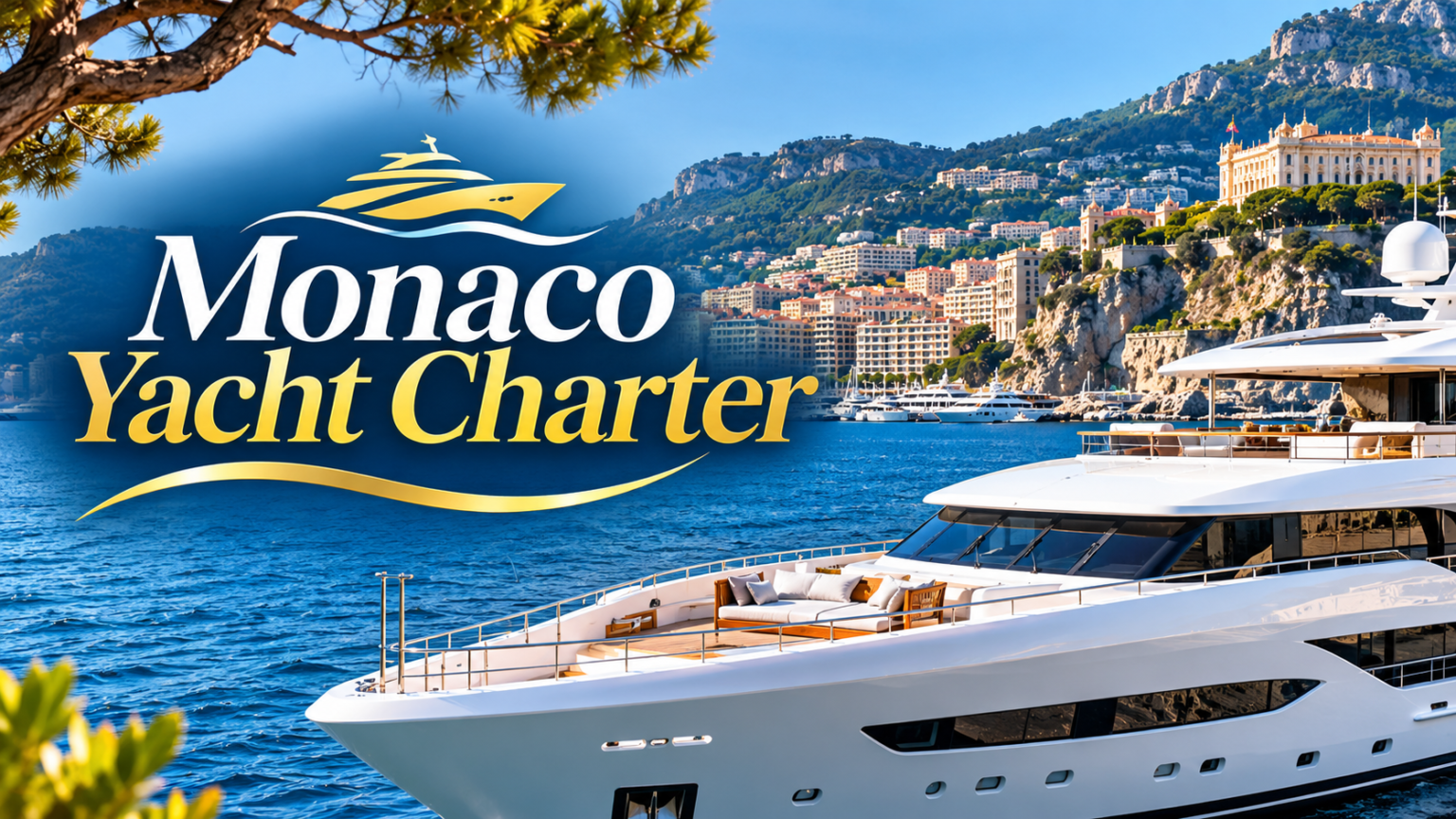
A Monaco yacht charter is the most direct way to see the French Riviera properly. The coast is short, the harbours are close together, and you can be tied up in a different port every night without long passages. Monaco itself is the natural starting point: Port Hercule sits below the palace rock, the old town is a ten-minute walk from the quay, and the train from Nice airport takes about twenty minutes to Monaco-Monte-Carlo station. From there, the whole Riviera opens up to the west, and the Italian coast lies a short run to the east.
The appeal is not just the scenery, although the scenery does most of the work. It is the density of it all. In a single week you can swim off the Lerins Islands in the morning, take lunch at a port-side restaurant in Cannes, and anchor off Saint-Tropez in time for sunset. Nothing on this coast needs an overnight passage. The boat moves while you are eating lunch, and by the time the coffee arrives, the view has changed.
Planning a Monaco yacht charter: the route that works
Most weeks follow the same shape, and there is a reason for that. You board in Monaco, head west along the coast, and work your way back, or you run the route in reverse and finish in Monaco. Either way the distances are short. Monaco to Antibes is a couple of hours under way, Antibes to Cannes is shorter still, and the run from Cannes to Saint-Tropez is the longest leg most people will do all week. That leaves the days free for swimming, going ashore, and long lunches.
A typical week runs something like this. Board in Monaco on Saturday afternoon and spend the first night in Port Hercule. On Sunday, cross to Antibes and walk the ramparts and the covered market in the old town. Monday, run to Cannes, anchor off the Croisette, and take the tender across to the Lerins Islands for a swim. Tuesday and Wednesday belong to Saint-Tropez: anchor in the bay, go ashore for the market at Place des Lices, and leave before the weekend crowds arrive. Thursday, head back east to Villefranche or Beaulieu for a quieter night, then return to Monaco on Friday. Charter companies such as MyOcean run weeks like this all season and will change the order around the wind, the berths, and whatever else is happening on the coast.
What a crewed charter includes
A crewed charter means the boat comes with people who run it. At minimum that is a captain and a chef, and on larger yachts a steward or stewardess and a deckhand as well. The captain handles navigation, berths, and the daily plan. The chef plans menus around your tastes and dietary needs, shops in the local markets, and cooks on board. The steward keeps the cabins, serves meals, and runs the tender. The deckhand looks after the water toys, the lines, and the endless cleaning that salt water demands. You are not expected to help with any of it.
What is included in the price varies, so read the contract before you assume anything. Fuel, food, drink, and port fees are usually handled through an advance provisioning allowance, a fund held by the captain and spent on the running costs of your week, with receipts and a settlement at the end. Water toys, kayaks, paddleboards, and snorkelling gear are normally on board. Crew gratuity is customary at the end of the week and is not normally part of the quoted price. Ask what is covered, in writing, before you pay anything.
When to go, and how far ahead to book
May, June, and September are the best months for most people. The water is warm enough to swim and the ports are busy without being packed. July and August are hotter, busier, and more expensive in every harbour, and a berth in Saint-Tropez in August can be genuinely hard to secure. The Monaco Grand Prix, in late May, fills Port Hercule and every hotel for miles; a charter that week is a different experience and needs to be arranged a long way ahead. The Mistral, the dry north wind that can blow for days, is the one weather factor worth respecting: a good captain will change the plan around it rather than fight it.
For peak summer weeks, start the conversation several months ahead, and longer if you want a specific yacht or a Grand Prix week. For September, you will usually have more choice and more room to negotiate on dates. Flexibility helps more than money in this market: shifting your week by seven days can be the difference between a berth in the port and a night at anchor. Confirm the embarkation time, the disembarkation time, and where exactly the boat will be, because Monaco has more than one quay.
A short checklist before you sign
Before you commit, check the practical details. Confirm which berths are reserved and which nights are at anchor. Confirm the crew list and who cooks. Check the cancellation terms and what happens if the weather forces a change of plan. Make sure passports are valid and check whether anyone in the group needs a visa for France or for a stop in Italy. Tell the chef about allergies and preferences well before boarding, not on the dock. Pack soft bags rather than hard cases, because there is nowhere to store a rigid suitcase in a yacht cabin, and leave the black-soled shoes at home.
The Riviera rewards a bit of planning and forgives a fair amount of improvisation. The coast is compact, the harbours are used to visiting yachts, and the crew will know which restaurant is worth the walk and which bay stays calm when the wind picks up. Get the route, the crew, and the dates right, and the week mostly runs itself.