

Preparing for the Flight
When traveling with toddlers on long flights, thorough preparation is essential for a smooth and enjoyable experience. Selecting the right flight is the first step in the planning process. Opt for flights that coincide with your child’s nap schedule, as this can significantly reduce the likelihood of restlessness during the journey. Additionally, consider direct flights whenever possible to minimize layovers and the stress associated with multiple stops.
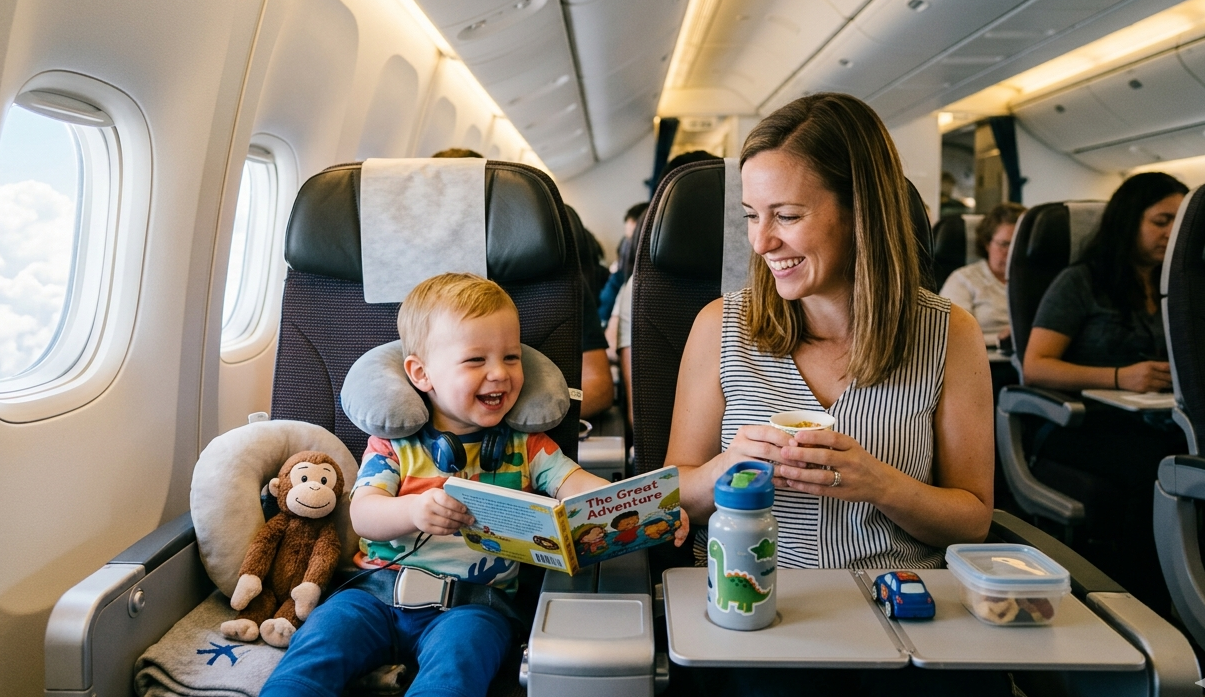
Packing is another crucial aspect of preparation. Essential items include snacks that are not only nutritious but also appealing to young children. Healthy options such as fruit slices, cheese sticks, and granola bars can provide energy without the sugar crash. Moreover, bringing along comfort items such as a favorite blanket or stuffed animal can help toddlers feel secure and at ease during the flight.
Incorporating toys and activities into your packing strategy is beneficial as well. Choose lightweight, quiet toys that captivate their interest, such as coloring books, small puzzles, or interactive games. These items can serve as a distraction and keep toddlers engaged throughout the flight. Remember to also pack headphones compatible with the in-flight entertainment system, if available, to make the experience more enjoyable for your child.
One effective way to ease the travel process is to involve toddlers in the packing beforehand. Allow them to choose a few toys or comfort items to take with them. This inclusion can make them feel more empowered and ready for the adventure awaiting them. Additionally, ensure that all required travel documents, such as identification and boarding passes, are readily available to avoid any last-minute stress.
Overall, careful planning can transform a potentially chaotic flight into a more manageable experience, benefiting both the caregiver and the toddler.
Choosing the Right Seats
When traveling with toddlers on long flights, selecting the right seats can significantly impact the overall experience. There are several seating options that parents should consider before booking their tickets. Firstly, opting for seats with extra legroom can provide more space for your child to move around, which can be especially beneficial during long durations. These seats are typically found in the exit rows or in specific sections of the aircraft designed for additional comfort.
Another critical factor to consider is the location of your seats within the cabin. Sitting near the front of the plane often allows for quicker boarding and deplaning, which can help make the entire travel process smoother for both you and your toddler. The proximity to the front also reduces noise from the engines and other passengers, adding to a calmer environment.
Additionally, bulkhead seats are another excellent option for families traveling with children. These seats are located directly behind a partition, which generally allows for a bit more space and can sometimes come with baby bassinets for infants. However, it is essential to confirm with the airline regarding the availability of such facilities. Moreover, parents should also take into account the aircraft’s configuration. Different airlines may have varying seating arrangements that can impact space management, aisle accessibility, and overall comfort. For instance, some aircraft may feature a 3-3 seating pattern, while others offer a 2-4-2 configuration, which might suit families better.
Choosing the right seats is a crucial step in ensuring a comfortable journey when flying with toddlers. By considering legroom, seat location, and aircraft configuration, parents can enhance travel ease and minimize potential stress for both themselves and their children.
Packing Smart for Long Flights with Toddlers
Packing efficiently for long flights is crucial when traveling with toddlers. The goal is to ensure that essentials are easily accessible while minimizing the number of carry-on bags, thus making the overall travel experience smoother for parents and children alike. A well-thought-out packing strategy can enhance comfort and convenience during the journey.
Begin with creating a checklist tailored to your child’s needs. Essential items should include their favorite toys, a change of clothes, snacks, and hygiene products. Familiar toys can help keep your child engaged, providing comfort and a sense of security in an unfamiliar environment. A change of clothes is vital in case of spills or accidents, ensuring that your toddler remains comfortable throughout the flight.
When it comes to snacks, opt for a mix of healthy options and some treats that your child enjoys but might not typically have. This combination can serve as both sustenance and a potential distraction. Additionally, bring along hygiene products such as wipes, hand sanitizer, and a small pack of diapers or pull-ups, depending on your child’s needs.
Utilizing packing cubes or organizers can significantly streamline your packing process. By compartmentalizing items, you can quickly access what you need without rummaging through your bags. This method not only saves time but also helps keep your belongings organized during the flight. Prioritize the positioning of your child’s essentials in the outer pockets of your bags for easy retrieval.
Ultimately, minimizing your carry-ons is essential. While it’s important to be prepared, overpacking can lead to a chaotic experience. Try to make the most of the in-flight storage options available to keep the cabin as clutter-free as possible. Properly organized bags and smart packing will help ensure a smoother and more enjoyable flight experience for both you and your toddler.
Arrival at the Airport
Traveling with toddlers can be a daunting prospect, especially when navigating the complexities of the airport. To ensure a smoother experience, it is advisable to plan your arrival at the airport well ahead of your flight time. A general guideline is to arrive at least two hours before a domestic flight and three hours prior to an international flight. This timing allows ample opportunity for check-in, security procedures, and gives you some buffer time if any unexpected situations arise.
When it comes to the check-in process, many airlines allow online check-in, which can save you valuable time at the airport. Should you need to check bags or if your toddler is in need of special assistance, preparing these arrangements in advance is key. Always ensure to have ample identification and documents readily accessible to smoothen the check-in experience.
The security checkpoint can present challenges when traveling with young children. Parents should be prepared to remove shoes, jackets, and bags, and to place their belongings on the conveyor belt. It may be helpful to explain the process to your toddler ahead of time, reassuring them that it is necessary. Utilize family lanes if available, as they often provide a more accommodating environment for parents with small children.
While waiting for your flight, consider utilizing the airport’s family-friendly amenities. Many airports have designated play areas where toddlers can stretch their legs and burn off some energy before the flight. Bringing along a small selection of toys or activities, such as coloring books or electronic devices loaded with games or videos, can significantly keep your toddler entertained. Planning your airport logistics with these strategies can ensure a less stressful start to your long journey.
Keeping Toddlers Entertained During the Flight
Traveling with toddlers on long flights can be quite challenging, particularly when it comes to keeping them engaged and entertained throughout the journey. A well-thought-out entertainment strategy can significantly enhance the travel experience for both parents and children. To effectively manage your toddler’s attention span during the flight, it is crucial to incorporate a variety of engaging options that can stimulate their curiosity and creativity.
One effective method of entertainment is to utilize interactive apps. Modern tablets and smartphones offer a wide range of educational games and activities that can capture a toddler’s interest for extended periods. Look for apps that encourage problem-solving skills or creativity, as these tend to keep toddlers engaged whilst also providing cognitive benefits.
In addition to digital entertainment, physical activity through coloring books is a timeless option that allows for artistic expression. Carrying a small selection of crayons or markers alongside coloring pages can provide hours of distraction. Toddlers often enjoy the freedom of creating their masterpiece, and the tactile experience of coloring can help in keeping them settled.
Portable games and toys can also serve as excellent entertainment sources. Choose lightweight, quiet toys that do not require a lot of space. Consider puzzle games or small building sets that promote interaction and may also be shared with fellow travelers, fostering a sense of community in the confined space of an aircraft.
Balancing entertainment with quiet time is equally important. Create a flexible activity schedule that merges exciting playtime with moments of downtime. Allowing brief intervals for quieter activities, such as reading a story or simply gazing out the window, can greatly help in maintaining your toddler’s attention while minimizing potential restlessness and anxiety during a long journey.
Managing Toddler Behavior
Traveling with toddlers on long flights presents unique challenges, particularly in managing behavior. Toddlers are naturally energetic and curious, which can manifest in restlessness during an extended period of confinement. Therefore, a proactive approach can mitigate potential stress for both parents and children. One effective strategy is to establish clear expectations regarding behavior before the flight. Parents can explain what is anticipated during the journey, emphasizing concepts like staying seated and using indoor voices.
Additionally, engaging toddlers in interactive activities can provide essential distractions. Coloring books, small puzzles, or even digital games can captivate their attention and keep them occupied for longer periods. Alternatively, introducing short, interactive discussions about the flight can be beneficial. This inclusion allows toddlers to feel involved in their travel experience and can reduce anxiety associated with uncertainty.
When faced with meltdowns, remaining calm is vital. It is crucial for parents to model appropriate reactions to frustration and discomfort. By maintaining a composed demeanor, parents can help toddlers navigate their emotions more effectively. If a tantrum occurs, it can be advantageous to acknowledge the child’s feelings and offer comfort. A simple hug or soothing words can significantly ease tension and help a child regain control.
Moreover, ensuring that toddlers are adequately nourished and hydrated can help in managing behavior. Hunger and fatigue can exacerbate irritability, so packing healthy snacks and keeping a hydration bottle handy is advisable. Regular breaks during the flight for stretching or small walks in the aisles, when possible, can also help alleviate pent-up energy. Such strategy allows parents to create a more pleasant flying environment for both themselves and their children.
Snack and Meal Strategies
Traveling with toddlers during long flights can present unique challenges, particularly when it comes to their meals and snack preferences. Proper planning is crucial for ensuring a smooth in-flight dining experience that caters to the needs of little ones. Firstly, packing nutritious and appealing snacks is essential. Opt for a variety of finger foods that are easy to eat and less messy, such as sliced fruits, vegetable sticks, whole grain crackers, or yogurt pouches. This not only keeps children satisfied but also gives them the autonomy to choose when they eat.
Managing in-flight meals can be equally important. Most airlines offer meal options for children, but these may not always align with a toddler’s tastes. Therefore, consider bringing some homemade meals that can be easily reheated or consumed cold. Simple dishes like pasta with a light sauce or chicken and rice can be good options. Additionally, many airlines allow parents to pre-order special meals, which can be beneficial for accommodating any dietary restrictions or preferences your child may have.
Dealing with picky eaters can pose a challenge, especially in unfamiliar settings such as an airplane. Encourage your toddlers to try new foods by introducing them gradually during the flight. Use this opportunity to make mealtimes enjoyable by turning them into a fun activity rather than a chore. Offering snacks as a reward for good behavior can create a positive association with eating on the plane. Moreover, keeping hydration levels up is crucial, especially in the dry cabin air. Provide your children with sippy cups filled with water or juices to ensure they stay hydrated throughout the trip.
In conclusion, effective planning and preparation for snacks and meals can significantly enhance the flying experience for both toddlers and their parents. By offering a variety of nutritious options and creating an enjoyable atmosphere during mealtimes, traveling can become a more pleasant experience for everyone involved.
Utilizing In-Flight Services for Families
Traveling with toddlers on long flights can be a challenging experience, but airlines are increasingly recognizing the needs of families. There are various in-flight services specifically designed to make the journey more comfortable for parents and their little ones. First, it’s important to communicate your requirements to the cabin crew. Upon boarding, inform them that you are traveling with a toddler; they may provide you with helpful amenities or resources that can enhance your travel experience.
Many airlines offer family restrooms, which are larger and equipped with changing tables. These facilities can make it easier for parents to attend to their toddlers’ needs without feeling cramped. Utilizing these specially designated areas not only provides privacy but also allows parents to manage diaper changes and other toddler-related tasks more efficiently.
Entertainment options are another crucial aspect of in-flight services for families. Many airlines provide an extensive selection of movies, TV shows, and games tailored for young children. Some airlines even offer kid-friendly tablets or multimedia systems that can engage toddlers during the flight. Bringing headphones designed for children’s comfort can enhance this entertainment experience, helping to keep their focus on the provided options.
Additionally, don’t hesitate to ask crew members for assistance with meals or snacks. Many airlines accommodate special meal requests for children, which can help avoid fussing over unfamiliar foods. Special attention from the cabin crew can make a noticeable difference, as they may be able to provide extra treats or care if they are aware of your family’s needs. Making the most of these in-flight services not only eases the challenges of long-haul travel with toddlers but also creates a more enjoyable flying experience for the whole family.
Post-Flight Tips and Settling In
Upon landing from a long flight with toddlers, it is important to approach customs and baggage claim with a plan. Begin by ensuring that all essential documents, such as passports and visas, are readily accessible. This will help to expedite the customs process and minimize wait times, which can be challenging for young children. If possible, use family-friendly customs channels where available, as these often have shorter queues.
Once through customs, the next step is to retrieve your luggage. It can be helpful to have a designated spot for your carry-on items to keep your hands free while managing your toddlers. Consider bringing a lightweight stroller that can easily fold and maneuver through crowded areas. This will provide a comfortable option for your child to rest while navigating through the airport.
The transition to a new environment after a long flight can be overwhelming for toddlers. To ease this adjustment, establish a post-flight routine that includes familiar elements from home. Upon arrival at the accommodation, unpack a few favorite toys or comfort items first. This will help your child feel more secure and grounded in an unfamiliar setting.
Additionally, maintaining a flexible schedule upon arrival can alleviate stress. Allow your toddler to adjust gradually by not over-scheduling activities during the first few days. Instead, plan for short outings to explore the new environment, interspersing these with downtime. This combination of exploration and relaxation encourages a smoother transition and helps toddlers adapt to changes with greater ease.
In conclusion, thoughtful preparation and a carefully planned post-flight routine can significantly enhance the experience for both parents and toddlers when navigating the challenges following a long flight. Taking these steps will ensure a more comfortable adjustment period and ultimately make the journey more enjoyable.